
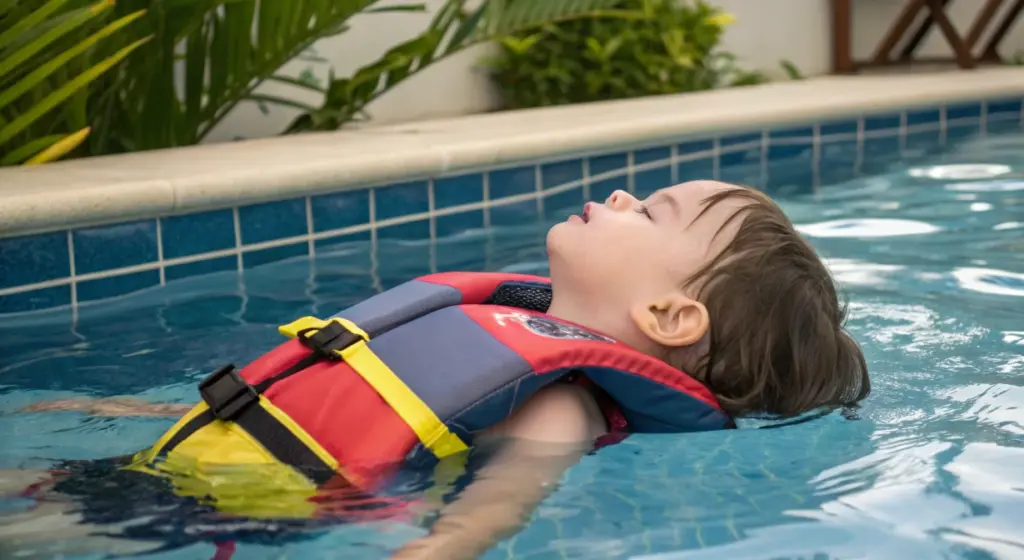
A toddler life jacket is a safety device only when it fits the child correctly and performs in real water, not just when it looks secure on shore. Toddlers do not react like older children in the water. They may panic, freeze, twist, swallow water, or fail to orient their body. That means the jacket must do more than add flotation. It must help stabilize the torso, support the head, and stay locked in place when the child cannot help.
The best choice is not the brightest model or the softest fabric by itself. A safe toddler life jacket is the one that matches the child’s current weight, holds the body securely, supports the head where needed, and remains comfortable enough to be worn without constant resistance. Fit, buoyancy distribution, and real-use behavior decide safety.
Fit Is the First Safety Feature
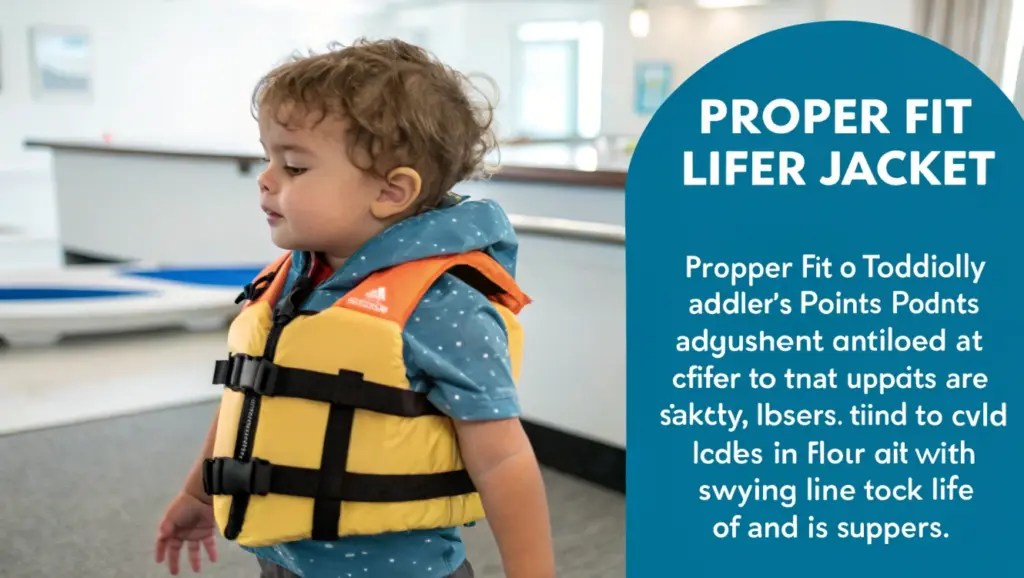
Fit is the foundation of toddler life jacket safety. A jacket that is too loose can move upward when the child enters the water. Once that happens, the flotation no longer sits where the designer intended. The child may slip inside the jacket, the chin may drop toward the chest, or the jacket may ride toward the face instead of supporting the body.
Parents sometimes choose a larger size because the child will “grow into it.” That logic works for a sweatshirt, but not for flotation gear. A life jacket is built around weight range, body position, and buoyancy placement. If the child is below the intended size, the flotation can sit too high or too wide, which changes how the body floats.
A proper fit should feel snug without crushing the child’s ribs or restricting breathing. The jacket should close evenly at the front, sit firmly around the torso, and stay in position when gently lifted by the shoulder area. If it rises toward the ears or chin, the fit is not secure enough for real use.
Why Crotch Straps and Adjustments Matter
Toddlers have short torsos, narrow shoulders, and rounder body proportions than older children. This makes upward jacket movement a serious concern. Crotch straps solve that specific problem by anchoring the jacket below the body and stopping it from sliding over the head.
Side straps and front closures handle a different part of the fit. They remove empty space between the jacket and the torso. When all adjustment points work together, the jacket becomes one connected system instead of a loose floating shell around the child.
A reliable toddler life jacket should usually include:
- a clearly marked child weight range;
- secure front buckles or zipper support;
- adjustable side straps for torso control;
- crotch strap or leg strap support for small children;
- a design that does not shift when the child sits, stands, or is lifted.
Each element has a purpose. The crotch strap prevents lift. The torso straps control rotation. The front closure keeps buoyancy panels aligned. If one part is ignored, the jacket may still look secure on land while performing poorly in the water.
Buoyancy Distribution Controls Body Position
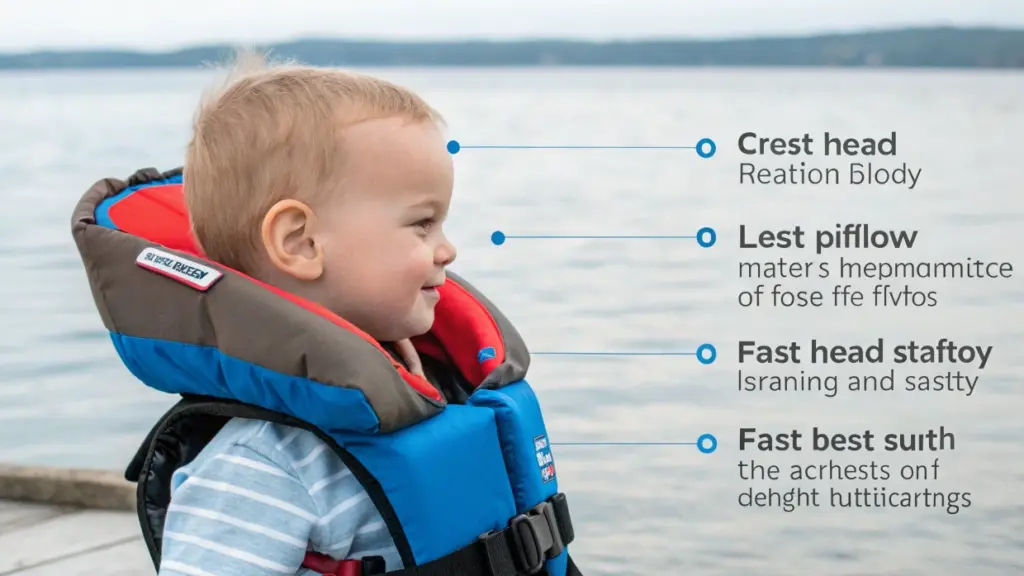
Buoyancy is not only about how much a jacket floats. It is about where the flotation is placed. For toddlers, that placement is critical because the child may not be able to roll face-up independently. A safe design should support the chest, upper back, and head in a way that helps the child maintain a breathing position.
Infant-focused models usually have more head support and larger flotation behind the neck. Toddler models often balance head support with greater mobility. That shift makes sense as children grow, but it also creates a buying decision. A younger or weaker toddler may still need stronger head support than a confident child close to the upper end of the size range.
Righting ability matters most during unexpected falls. If a child slips from a dock, boat, pool edge, or paddleboard, the jacket must help quickly. A design that leaves the child floating face-down, sideways, or with the mouth too close to the surface is not suitable for passive-water safety.
| Design Element | Safety Purpose | What to Check in Practice |
| Head pillow | Supports the back of the head | Does it keep the face clear of water? |
| Chest flotation | Lifts the upper body | Does it sit correctly on the torso? |
| Crotch strap | Prevents upward sliding | Does the jacket stay down when lifted? |
| Side straps | Controls looseness | Are gaps removed without discomfort? |
| Bright color | Improves visibility | Can the child be seen quickly in water? |
The table shows why one attractive feature is not enough. A soft jacket without correct buoyancy placement is not safe. A buoyant jacket without secure fit can still shift. Safety comes from the full design working together.
Comfort Determines Whether the Jacket Stays On
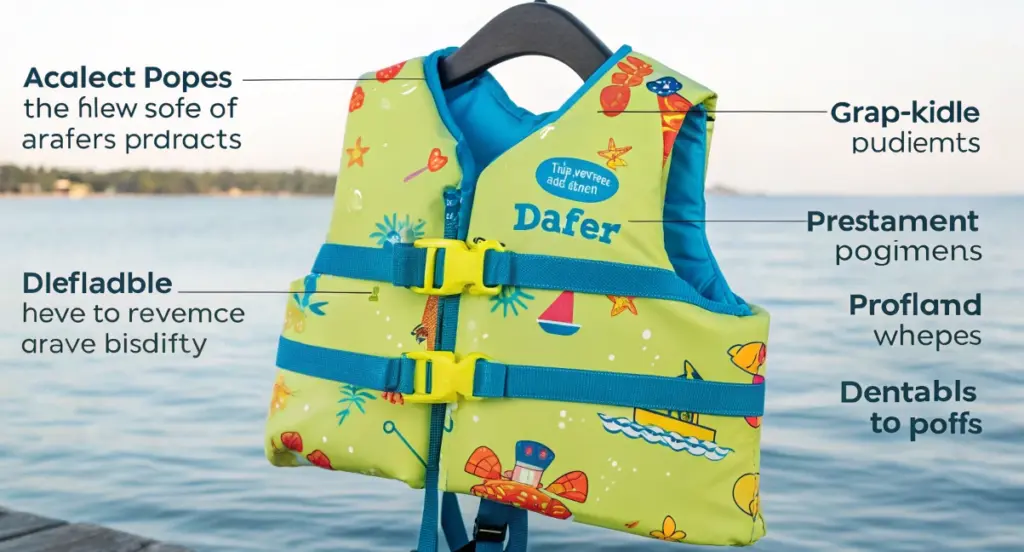
A toddler life jacket that causes rubbing, pressure, or frustration may be removed before it is needed. Comfort is therefore part of safety, not a cosmetic detail. Children resist gear that pinches under the arms, pushes into the chin, feels cold when wet, or blocks natural movement.
Neoprene-style jackets often feel softer and warmer against the skin. They can be easier for children to accept, especially during longer boat days or repeated water entries. Nylon jackets are usually lighter, faster drying, and often more affordable, but some children find them stiffer or colder after water exposure.
The goal is not to choose the softest material automatically. The goal is to choose a jacket the child will actually wear while still meeting safety requirements. A comfortable but loose swim vest is not a substitute for a certified life jacket. A certified jacket that is so uncomfortable the child refuses to keep it on also creates a practical problem. The best design balances structure with tolerance.
Toddler Life Jacket vs Swim Vest
A toddler swim vest and a toddler life jacket are not the same product. This is one of the most common safety mistakes around pools, lakes, boats, and beaches. Swim vests are usually designed to help supervised children practice movement in calm water. They are not designed to replace a certified flotation device in open water or boating conditions.
A real toddler life jacket is built for safety when the child may be passive, frightened, tired, or unable to assist. It should provide dependable buoyancy, secure attachment, and a fit that keeps the jacket on the body under movement. Swim aids often give freedom of motion, but they may lack the flotation level, righting support, or secure anchoring needed in a fall.
The practical rule is simple. Use swim aids only for controlled swimming practice with direct adult supervision. Use a proper life jacket near open water, docks, boats, paddlecraft, moving water, or any setting where the child could fall in unexpectedly. A swim vest can build confidence; it should not create false confidence for adults.
Real Water Conditions Change the Risk
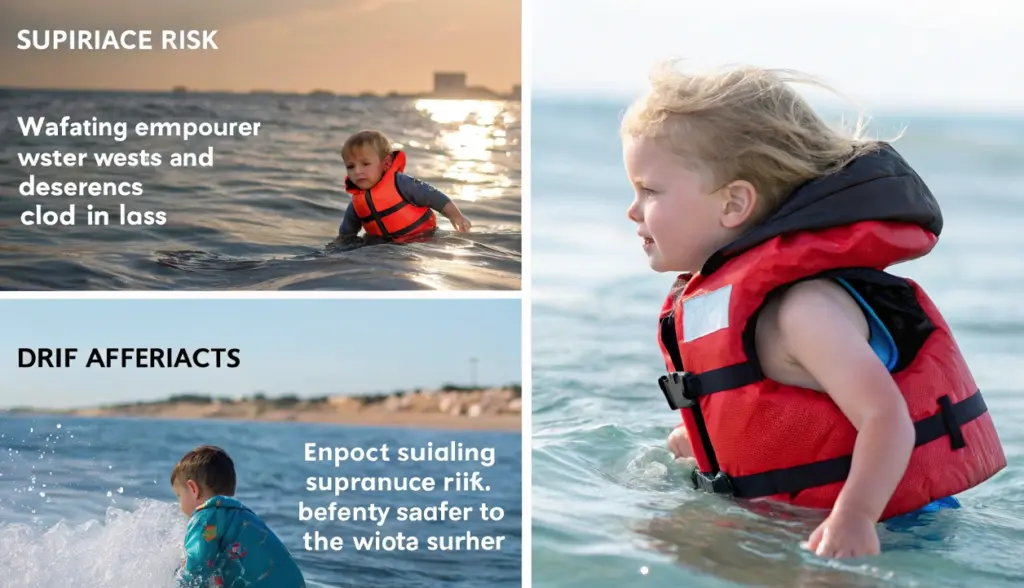
A life jacket is tested by the environment, not by a product photo. Calm pool water is very different from a windy lake, a boat wake, a marina, a riverbank, or cold coastal water. Toddlers are especially vulnerable because they lose heat quickly, become tired fast, and cannot explain discomfort clearly.
Cold water is a major factor. A child can become distressed even when the air feels warm. Cotton clothing becomes heavy and cold when wet, while better water layers help manage temperature. If the child is shivering, quiet, stiff, or unusually tired, the session should end. The life jacket helps with flotation; it does not protect fully against cold exposure.
Wind and surface movement also matter. A child in a life jacket can still drift away from the dock, shore, or boat. Waves can turn the body, splash the face, and make breathing harder. Supervision must stay close enough for immediate physical help. A life jacket reduces drowning risk, but it does not replace an adult within reach.
Practical Fit Test Before Water Use
The safest time to discover a poor fit is before the child reaches deep water. A quick check on land and in shallow, controlled water can reveal problems. This should be done calmly so the child gets used to the feeling of the jacket before any real boating or open-water activity.
A useful sequence is:
- Put the jacket on over the clothing or swimwear the child will actually use.
- Fasten every buckle, zipper, strap, and crotch strap.
- Tighten the torso fit until the jacket is snug but not painful.
- Lift gently at the shoulder area and check whether it rides up.
- Test movement while the child sits, stands, turns, and raises arms.
- In shallow water, observe whether the face stays clear and the jacket remains stable.
This test is not complicated, but it prevents many common mistakes. The child should not be able to slide down inside the jacket. The chin should not disappear into the front panels. The crotch strap should be secure without digging into the body. If the jacket fails any part of the test, adjust it or choose another size.
Durability, Storage, and Replacement
A toddler life jacket has a limited useful life. Children grow quickly, and water gear wears down through sun, salt, chlorine, compression, and repeated drying. A jacket may still look acceptable while straps lose elasticity, foam shifts, or fabric weakens around seams.
Before each season, inspect the jacket carefully. Check the buckles, zipper, straps, stitching, fabric surface, and flotation panels. If the foam feels uneven, if the jacket smells strongly of mildew, if the fabric is torn, or if the straps no longer hold tension, replacement is the safer choice.
Storage also affects durability. Rinse the jacket after saltwater or chlorinated water. Let it dry fully before packing it away. Do not store it compressed under heavy objects, because foam can lose shape. A life jacket is protective equipment, and it should be treated more like a helmet than a beach toy.
How to Choose the Right Toddler Life Jacket
The right toddler life jacket should match the child’s current body, the water environment, and the activity. A boat day on open water requires more security than supervised play beside a shallow pool. A child who panics in water needs stronger stability and comfort than a child already used to wearing flotation gear.
Start with the weight range, then check the fit. After that, evaluate head support, crotch strap design, visibility, and comfort. Do not let color, cartoon graphics, or price become the main decision factors. They may influence acceptance, but they do not replace structural safety.
The most practical choice is a jacket that the child can wear calmly, that stays fixed when pulled upward, that supports the head appropriately, and that suits the water conditions. Parents should also practice short sessions before longer trips. A toddler who has already felt the jacket in shallow water is more likely to stay calm if an unexpected fall happens later.
A toddler life jacket works best as part of a full safety routine: correct fit, close supervision, suitable water conditions, proper clothing, and regular inspection. Choose the jacket for the child’s current size and real environment, not for future growth or appearance. That decision gives the equipment the best chance to do its job when seconds matter.