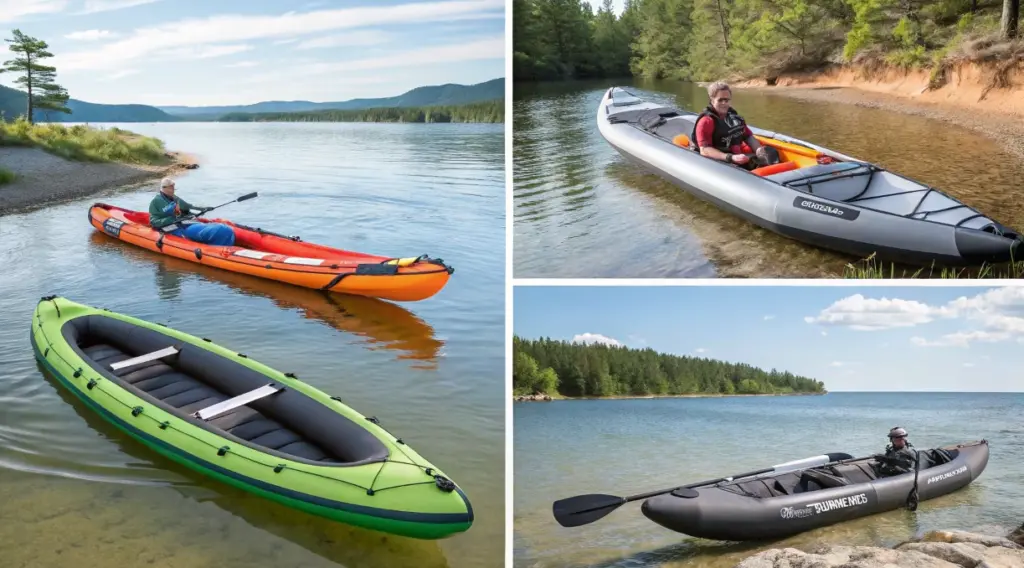
The best inflatable kayaks are not defined by one brand, one price range, or the most aggressive product description. They are defined by how well the kayak holds its shape, moves through water, handles wind, supports weight, and keeps the paddler in control when conditions become less comfortable.
A good inflatable kayak should feel predictable. It should convert paddle strokes into forward movement instead of flexing under load. It should match the water you actually use, whether that means a calm lake, a slow river, a coastal bay, a fishing spot, or a remote route where carrying weight matters. The right choice starts with understanding structure, not marketing.
Construction Quality Comes Before Extra Features
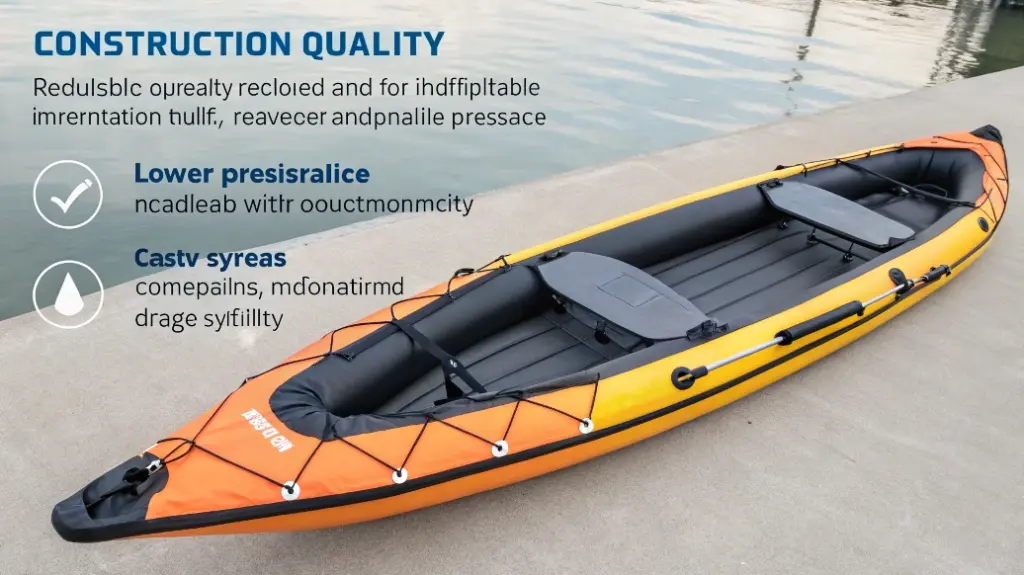
The core of every inflatable kayak is its construction. Because the hull is filled with air rather than molded from hard material, pressure and fabric strength decide how the kayak behaves. If the material stretches too much, the hull loses shape. Once that happens, speed, tracking, and stability all suffer.
Higher-quality kayaks usually use reinforced PVC, layered materials, or tougher composite-style construction. These fabrics resist abrasion from docks, gravel, rocks, and repeated folding. The difference becomes obvious after several trips. A thin recreational model may feel acceptable on calm water, but it can start to deform under gear weight, heat, or small wave impact.
Seams, valves, and chamber layout matter as much as the outer fabric. Weak seams create slow pressure loss. Poor valves make it difficult to reach the correct PSI. A kayak that looks fully inflated but sits soft under the paddler will waste energy with every stroke. In practice, that means more fatigue and less control.
Hull Shape Decides How the Kayak Moves
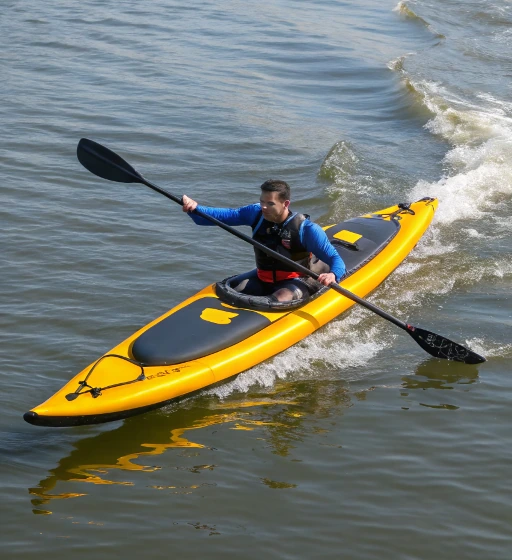
Hull design controls the relationship between the kayak and the water. A long, narrow inflatable kayak with tapered ends usually tracks better on flatwater. It holds a straighter line, glides more efficiently, and requires fewer correction strokes. This matters on lakes, reservoirs, and open calm water where distance is part of the session.
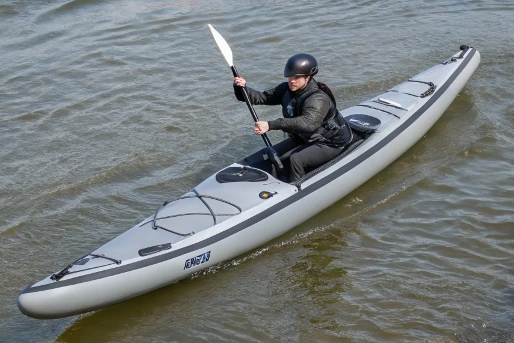
River and whitewater kayaks use a different logic. They are often shorter, wider, and built with more rocker, meaning the bow and stern rise more from the water. This makes the kayak easier to turn and better at riding over waves, but it reduces straight-line efficiency.
That trade-off is important. A kayak that turns quickly in moving water may feel slow and restless on a lake. A long flatwater kayak may feel efficient in calm conditions but awkward when quick correction is needed around rocks or current lines. The best inflatable kayaks are the ones matched to their main environment, not the ones trying to do everything equally.
Rigidity Is the Main Performance Divider
Rigidity is where modern inflatable kayaks have improved the most. Early designs often felt soft, especially under heavier paddlers or gear. Modern high-pressure floors and drop-stitch construction solve much of that problem by creating a firmer platform.
Drop-stitch technology uses internal threads to hold the top and bottom layers in a flat shape when inflated. This allows the floor to take higher pressure without ballooning. The result is a kayak that feels more stable underfoot, transfers energy better, and keeps its shape when loaded.
Rigidity affects several practical areas:
| Feature | Why It Matters | Real Effect on Water |
| Drop-stitch floor | Creates a firmer platform | Better paddle efficiency and stability |
| High-pressure chambers | Maintain hull shape | Less flex and cleaner tracking |
| Reinforced side tubes | Resist deformation | More predictable handling |
| Balanced load support | Prevents sagging | Reduced drag and smoother glide |
| Strong valves | Hold correct pressure | Consistent performance during the trip |
A stiff inflatable kayak will never feel exactly like a hard-shell kayak, but it can come close enough for many recreational, touring, fishing, and coastal uses. The key is not only maximum pressure. It is whether the whole structure holds its intended shape under real paddling load.
Stability Depends on Width, Floor, and Use Case
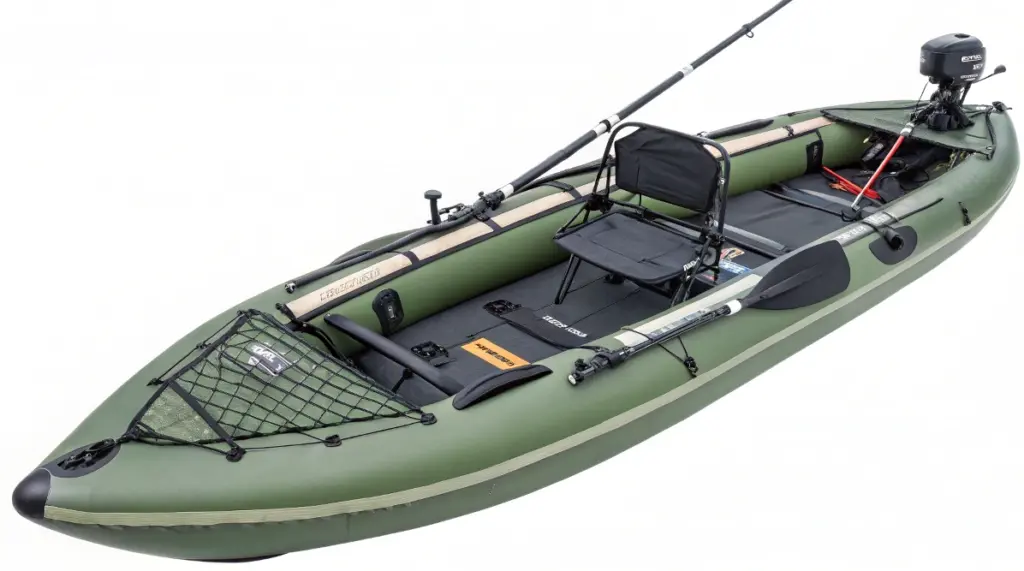
Many beginners choose inflatable kayaks because they feel stable. That is often true, but stability is not one simple measurement. A wide kayak with large side tubes feels secure at rest. It is forgiving when the paddler shifts weight or enters from shallow water. This makes it useful for beginners, relaxed touring, photography, and fishing.
The limitation is speed. More width creates more drag. A very stable kayak may feel heavy to paddle over distance, especially in wind. For short sessions this may not matter. For longer routes, the extra effort becomes noticeable.
Fishing kayaks take stability even further. They need a wider platform, strong floor rigidity, and enough deck space for gear. Some models allow careful standing, but only when the floor is properly inflated and the water is calm. Standing in a soft-bottom kayak is unsafe because the surface flexes under the feet and shifts balance suddenly.
For general paddling, moderate stability is usually enough. For fishing, photography, or nervous beginners, extra stability is worth the loss in speed. For distance paddling, too much width becomes a penalty.
Choose by Water Type, Not by Category Name
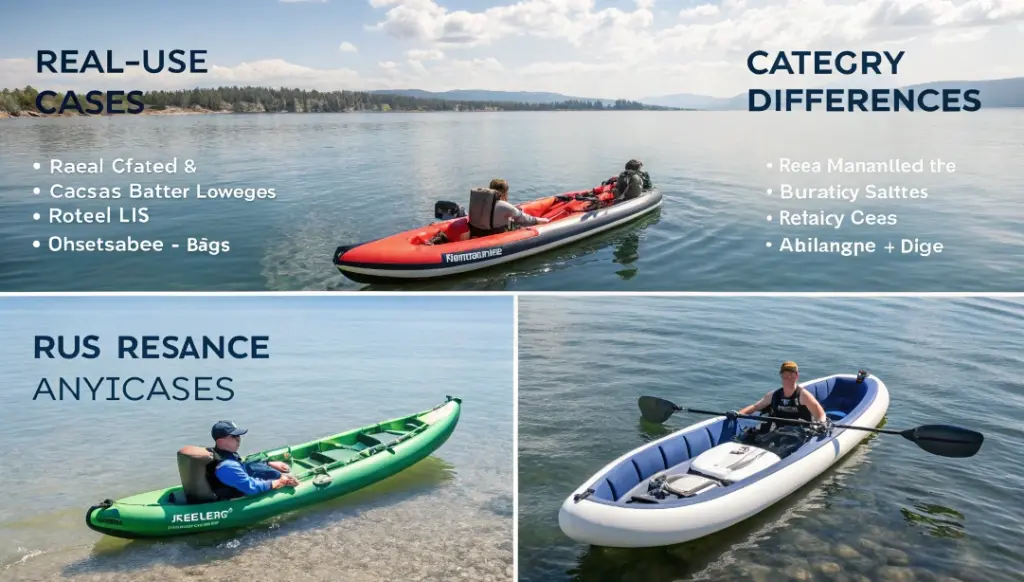
Product categories can help, but real conditions matter more. A “touring” kayak that performs well on calm lakes may still be a poor choice for a windy bay. A “whitewater” kayak may survive rough treatment but feel inefficient on a flat canal. The safest approach is to begin with where you will paddle most often.
For calm lakes and slow rivers, choose a longer kayak with good tracking, moderate width, and comfortable seating. For moving rivers, prioritize maneuverability, durable sidewalls, and a shape that can handle waves and quick direction changes. For coastal water, look for rigidity, directional control, and enough stability to manage chop and wind drift.
Packrafts are different again. They are built for portability and access, not speed. They make sense when the route includes hiking, remote water crossings, or limited storage space. The trade-off is reduced tracking and lower cruising efficiency.
A practical buying filter looks like this:
- Calm water and distance: longer hull, better keel shape, efficient glide.
- Rivers and mild rapids: shorter hull, stronger materials, more rocker.
- Fishing: wide beam, rigid floor, accessory mounts, strong load rating.
- Travel and hiking: low packed weight, compact storage, simple setup.
- Family use: stability, easy entry, multiple chambers, forgiving handling.
This approach prevents the most common mistake: buying the kayak that looks most capable instead of the one that fits the actual water.
Wind and Temperature Change the Experience
Inflatable kayaks sit higher on the water than many hard-shell kayaks. That extra profile makes them more sensitive to wind. Even a moderate breeze can push the bow off course, slow progress, or turn an easy return route into hard work. This is why tracking and skeg design matter, especially on open lakes and coastal water.
Water temperature is another overlooked factor. Paddlers often dress for the air and forget that cold water removes body heat quickly after immersion. A warm day does not make cold water safe. Clothing should match the water, the distance from shore, and the chance of falling in.
Before launching, check three things: wind direction, water temperature, and return route. A beginner-friendly paddle with the wind behind you can become difficult when returning against it. On an inflatable kayak, that difference feels stronger because the boat has more surface area for the wind to catch.
Inflation, Pressure, and Setup Affect Every Trip
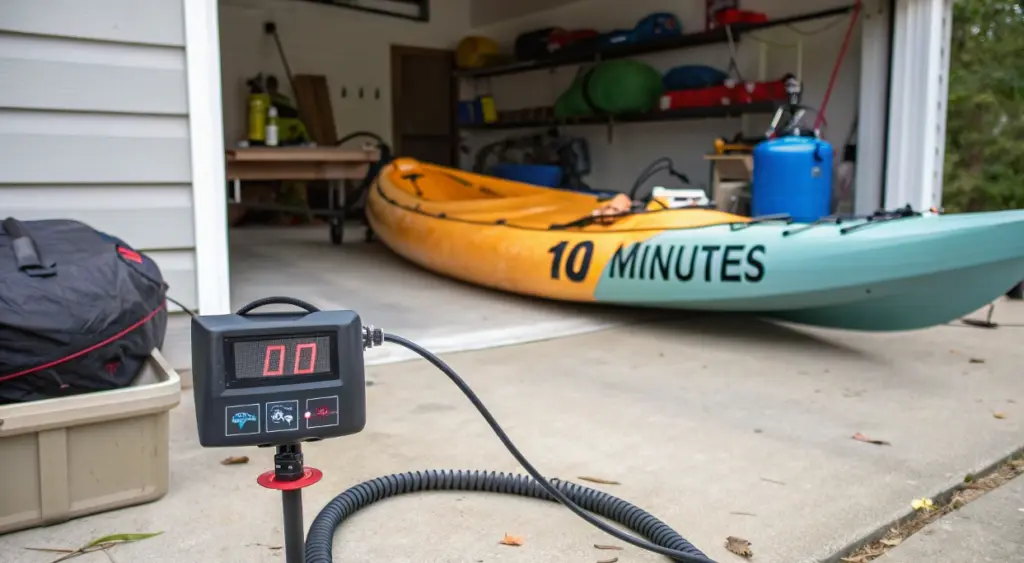
Proper inflation is not a small detail. It is the foundation of performance. Underinflated chambers make the kayak sluggish, unstable, and harder to steer. Overinflation can stress seams and materials, especially when the kayak heats up in direct sun.
Use a pump with a pressure gauge and follow the recommended PSI for each chamber. Inflate in sequence so the hull forms evenly. After launching, pay attention to how the kayak feels. If the floor softens or the side tubes lose firmness, performance will drop quickly.
Setup time also matters in real use. A simple recreational kayak may be ready in a few minutes. A fishing kayak with seats, rods, mounts, anchor gear, and storage systems can take much longer. That extra function is valuable on a full session, but it may be annoying for a short evening paddle.
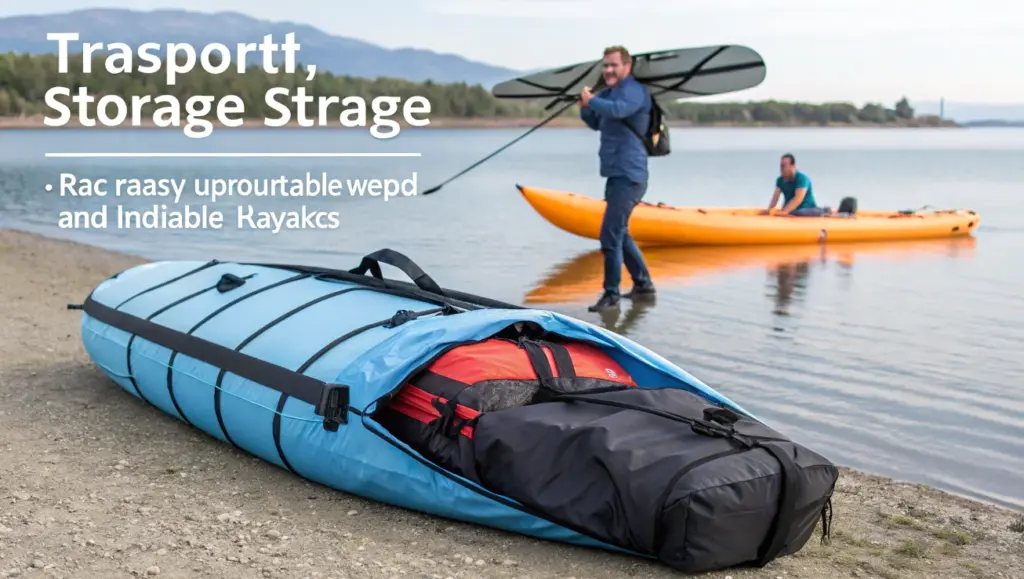
After use, rinse off sand, salt, and mud. Let the kayak dry before storage. Folding it wet can create odor, mildew, and material wear. Good maintenance is not complicated, but it protects the kayak’s shape and lifespan.
Common Buying Mistakes to Avoid
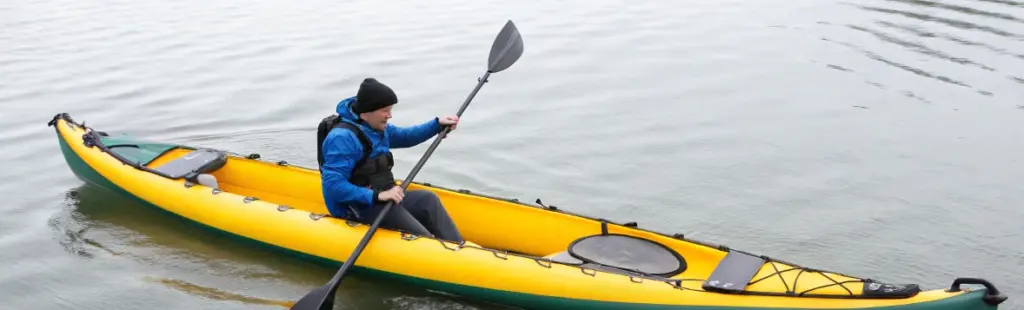
Most poor choices come from ignoring trade-offs. A cheap kayak can be fine for shallow calm water near shore, but it should not be expected to handle wind, load, current, and repeated abrasion like a stronger model. Price matters, but structure matters more.
Another mistake is choosing maximum stability without considering paddling effort. Very wide kayaks feel safe at first, then become tiring over distance. The opposite mistake is choosing a narrow, faster model for fishing or casual family use, where comfort and forgiveness are more important than glide.
The most reliable decision comes from matching four factors: water type, paddler weight, gear load, and skill level. If those four are clear, the best inflatable kayaks become much easier to identify. If they are ignored, even a well-built kayak can feel wrong.
What to Check Before You Buy
The final choice should be practical. Look beyond the product photos and check the structural details. A good inflatable kayak should have a suitable hull shape, multiple air chambers, strong valves, clear PSI guidance, durable material, and enough load capacity for the paddler plus gear.
Also consider how you will transport, inflate, dry, and store it. A heavy-duty fishing model may perform well on water but become frustrating if you live in an apartment and paddle alone. A lightweight model may be easy to carry but too flexible for rougher use.
The right inflatable kayak is a controlled compromise. Choose rigidity for performance, width for stability, durable materials for rougher landings, and lower weight for travel. When the kayak matches the water and the paddler’s real habits, it stops feeling like a backup option and becomes a reliable piece of sporting equipment.