
Silicone wedding bands exist for one practical reason: they give people a way to keep wearing a wedding ring when metal becomes uncomfortable, risky, or unsuitable. A metal ring is rigid. It holds its shape under pressure. Silicone behaves differently. It bends, stretches, absorbs force, and can break before the finger takes the full load.
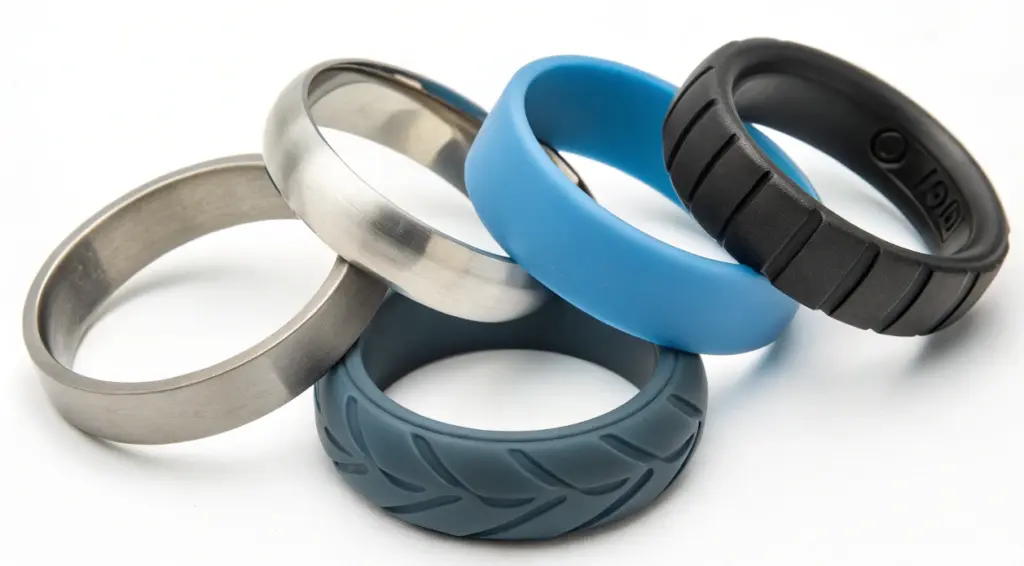
That difference matters in real environments: kayaking, diving, climbing, gym training, construction, mechanical work, cold water, saltwater, and any situation where hands meet pressure, friction, or moving equipment. A silicone band is not automatically better than metal. It is better when the ring needs to adapt to the body and fail safely under abnormal stress.
Why Silicone Wedding Bands Are Used for Safety
The main safety problem with metal rings is that they form a fixed loop around the finger. If the ring catches on a ladder, rope, boat cleat, climbing hold, gym equipment, or moving tool, the force transfers directly into the finger. In severe cases, this can cause ring avulsion injuries, where soft tissue is pulled or damaged by sudden load.
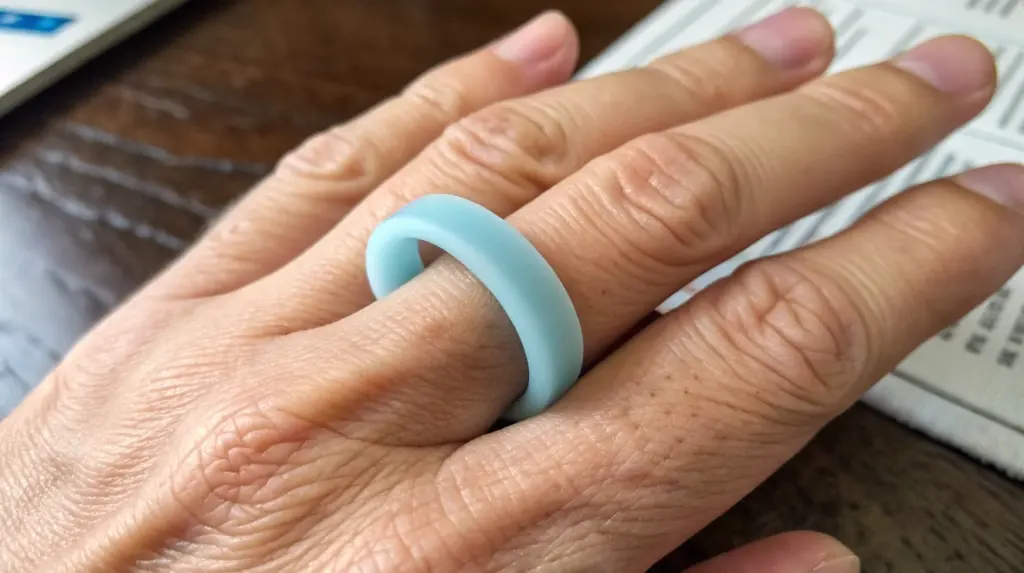
Silicone reduces that risk because it does not resist force in the same way. It stretches first. If the load becomes too high, it can tear or snap. That controlled failure is not a weakness in the safety sense. It is the feature that makes silicone useful in high-risk environments.
For water athletes and outdoor users, this matters more than it may seem. A hand can get trapped in a kayak grab line, a dock rope, a dive ladder, a surf leash, or wet rigging. In those moments, a rigid ring adds one more snag point. A silicone wedding band lowers that risk while still allowing the person to wear a symbol of commitment.
Material Behavior Under Pressure
Silicone works because it has elastic movement. When the finger swells during exercise, heat, long paddling sessions, or repeated gripping, the band expands slightly instead of digging into the skin. When the hand relaxes, the band returns toward its original shape.
This is useful during long activity because fingers rarely stay the same size all day. In cold water, fingers may shrink. In heat or after heavy gripping, they may swell. Metal does not adjust to those changes. Silicone gives the hand more tolerance before discomfort starts.
The trade-off is durability. A silicone ring is not designed to last forever. Repeated stretching, friction, salt, sand, chemicals, and heat can create micro-tears or surface wear. A good band should survive normal use, but it should not be expected to behave like gold, titanium, or steel. Its value comes from controlled flexibility, not permanence.
Fit Is More Important Than Appearance
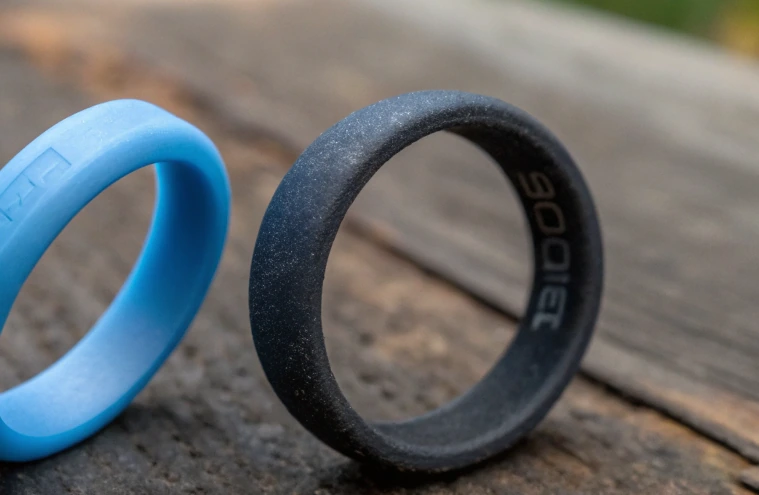
A silicone wedding band must fit correctly to work well. If it is too loose, it can slide off when wet, especially during swimming, paddling, diving, or washing gear. If it is too tight, it can trap moisture, leave marks, or become uncomfortable when the finger swells.
The ideal fit is snug at rest with slight resistance during removal. It should not spin freely around the finger, but it also should not create deep pressure lines after training or water exposure. Because silicone stretches, some users choose a slightly smaller size than their metal ring, but sizing varies by brand and band design.
The safest practical fit check is simple:
- Wear the band for several hours during normal movement.
- Check whether it slides when the hand is wet.
- Grip a paddle, bar, rope, or tool and feel for pressure points.
- Remove it after activity and check for deep skin marks.
- Repeat the test in warm conditions, when fingers are more likely to swell.
This matters because a ring that feels perfect in a shop can behave differently during sweat, immersion, or cold water. Real use is the best test.
Design Details That Change Performance
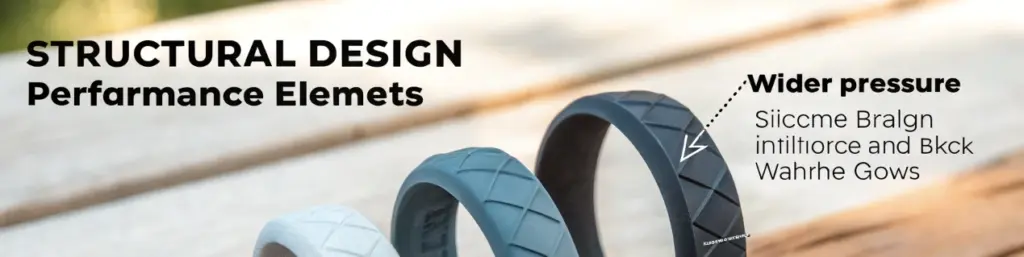
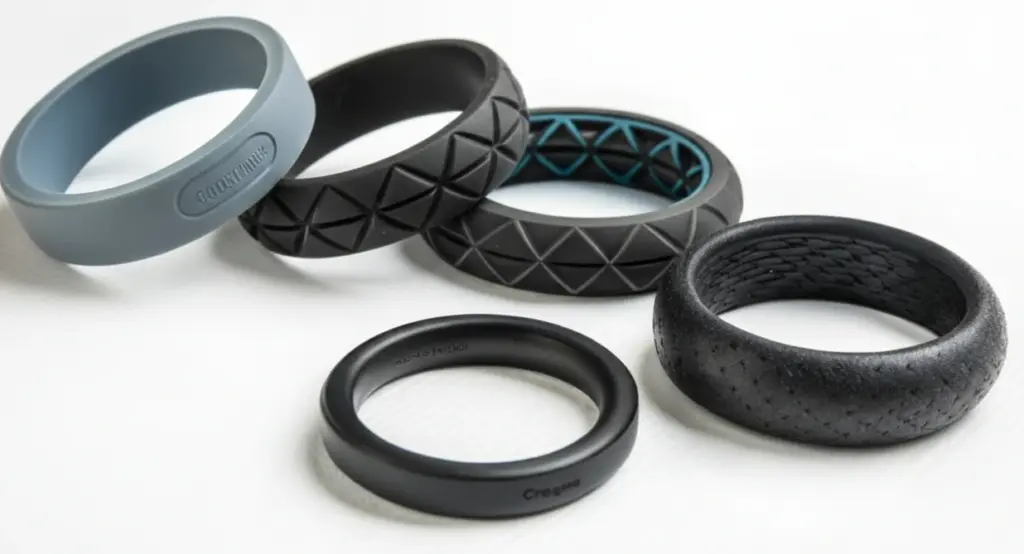
Not all silicone wedding bands perform the same way. Small design changes affect comfort, break strength, breathability, and lifespan. A thin low-profile band feels light and flexible, but it may wear faster. A wider reinforced band lasts longer but can feel bulkier under gloves or during grip-heavy movement.
Width controls surface contact. A wider band spreads pressure more evenly, which can feel comfortable during daily wear. During intense activity, however, more surface area can trap more sweat or water. Narrower bands breathe better and feel less noticeable, but they may roll, stretch, or fail sooner.
Interior design also matters. Some rings have grooves or channels inside the band. These reduce full-surface contact with the skin and allow moisture to escape. That is useful in humid environments, water sports, and long training sessions.
| Band Type | Main Strength | Main Limitation | Best Use |
| Thin silicone band | Light, flexible, low profile | Lower durability | Daily wear, light training |
| Standard band | Balanced comfort and strength | Moderate moisture buildup | Mixed use, travel, casual sport |
| Vented band | Better airflow and drying | May collect fine debris | Water sports, humid climates |
| Reinforced band | Higher tear resistance | Less flexible, bulkier | Manual work, heavy grip activity |
| Textured band | Better grip and visual style | Can attract sand or dust | Outdoor use with regular cleaning |
The right design depends on the hand, the activity, and the environment. For a paddler, swimmer, diver, or beach worker, moisture control may matter more than appearance. For someone using tools daily, tear resistance may matter more than softness.
Water, Sweat and Outdoor Conditions
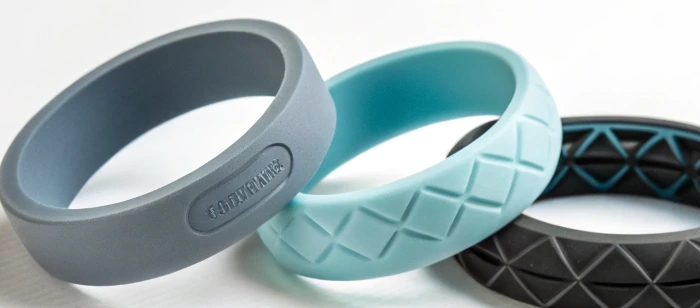
Silicone is highly practical around water because it does not corrode and does not carry the same value-loss concern as a metal wedding ring. Many people switch to silicone before swimming, kayaking, diving, surfing, fishing, or boating because losing a gold or platinum ring in water is usually permanent.
Water changes fit. Cold water can make fingers smaller, which increases the chance of a loose band slipping off. Warm conditions and long paddling sessions can do the opposite, causing swelling. This is why silicone is helpful but still needs correct sizing.
Salt, sand, sunscreen, and fine debris also affect comfort. Silicone can attract particles more than polished metal, especially if the surface is textured. After beach or saltwater use, the band should be washed with mild soap and clean water, then dried fully before wearing again. This prevents irritation under the ring and slows surface wear.
When Silicone Should Replace Metal Temporarily
For many people, silicone works best as a situational replacement rather than a permanent substitute. Metal may still be preferred for formal settings, daily office wear, or personal symbolism. Silicone becomes the better option when the environment adds mechanical risk.
This includes activities where the hand is exposed to catching, crushing, pulling, or repeated swelling. Examples include climbing, weightlifting, paddling, sailing, diving, construction, electrical work, mechanics, gardening, and field sports. In these settings, the ring is not just jewelry. It becomes part of the body’s contact surface with equipment.
A simple rule works well: if gloves, ropes, tools, ladders, moving parts, or water are involved, silicone is usually the safer ring choice. If the setting is low-risk and symbolic appearance matters more, metal may be more appropriate.
Durability and Replacement Expectations
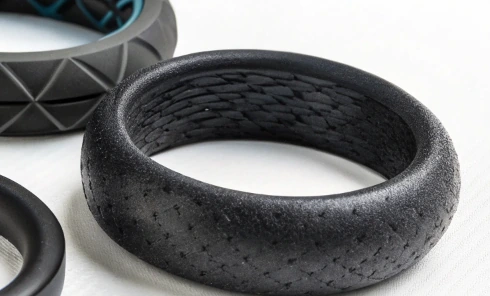
A silicone wedding band should be viewed as replaceable safety gear. That mindset prevents disappointment. The band may last one year, three years, or longer depending on quality and use, but it will eventually show wear.
Common signs include stretching, cracking, loss of shape, surface roughness, faded texture, and small tears near edges. These signs matter because they can change how the band fits and how predictably it breaks under load. A damaged band may snap too easily during normal use or become uncomfortable against the skin.
Heat and chemicals can shorten lifespan. Harsh cleaners, oils, fuel, solvents, and prolonged sun exposure can weaken the material. For most users, basic cleaning is enough: wash with soap, rinse well, dry fully, and avoid storing the band under pressure or in extreme heat.
Common Mistakes When Choosing a Silicone Ring
The most common mistake is choosing by color and style before checking function. A silicone band can look good and still be wrong for the activity. A thick band may feel strong but uncomfortable under gloves. A very soft band may feel pleasant but stretch too much during hard use.
Another mistake is assuming all silicone is equal. Higher-quality bands usually hold shape better, resist tearing more consistently, and feel smoother against the skin. Cheaper rings can still work for light use, but they may degrade faster under sweat, saltwater, and repeated grip pressure.
The third mistake is wearing a worn-out band too long. Because silicone is inexpensive compared with metal, replacement should be normal. If the ring has lost elasticity, changed shape, or developed cracks, it has already moved past its best performance.
How to Choose the Right Silicone Wedding Band
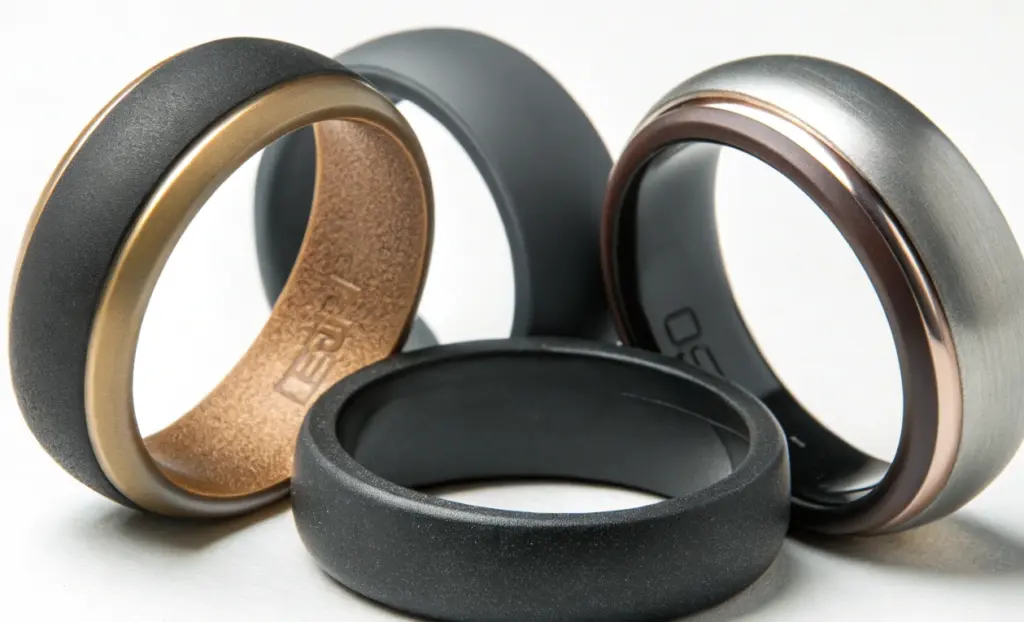
The best silicone wedding bands are chosen by use case. For light daily wear, choose a thin or standard band that feels natural and does not trap moisture. For water sports, look for a secure fit, smooth edges, easy cleaning, and ventilation if possible. For manual work or heavy training, choose a stronger band with enough thickness to resist early tearing but enough flexibility to break under dangerous force.
Comfort should be tested during real movement. Grip a paddle, pull a rope, lift a weight, wear gloves, or put the hand in water if that reflects normal use. The ring should disappear from attention. If you keep noticing pressure, rubbing, slipping, or trapped moisture, the design is not right.
A silicone wedding band is not a downgrade from metal. It is a different tool for different conditions. Choose it when safety, flexibility, and practical wear matter more than permanence. The right band should fit securely, clean easily, tolerate the environment, and break before the finger does. That is the real purpose of the material.