
Ports news in 2026 is no longer a collection of separate updates about vessel queues, new terminals, labor talks, or congestion fees. It is a picture of a connected system operating under heavier pressure. A delay at one gateway can change schedules across another region within days, because ports now sit at the meeting point of shipping routes, inland transport, customs, labor, fuel supply, and political risk.
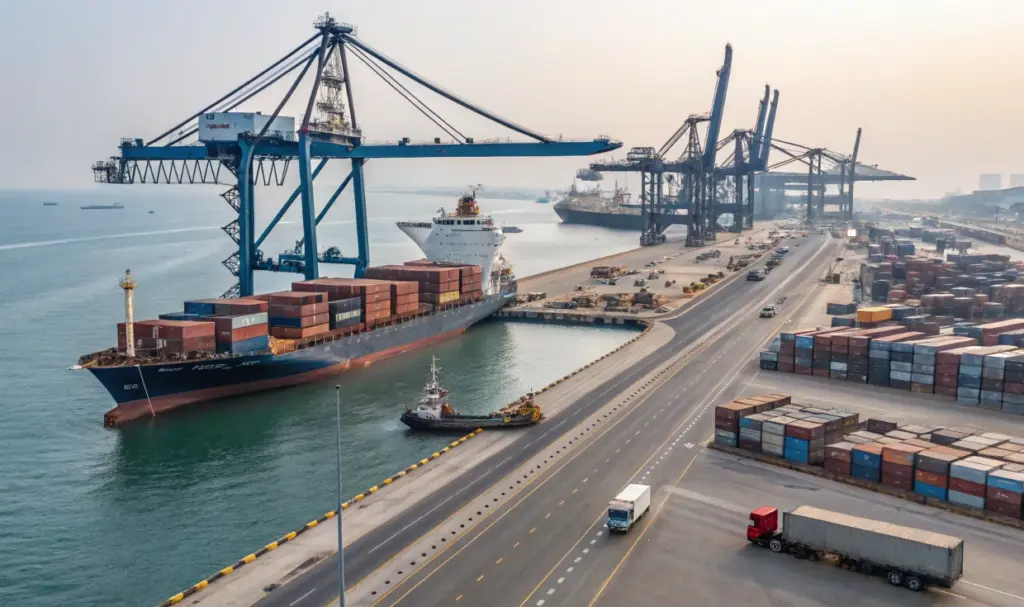
The main change is structural. Modern ports are not judged only by how many ships they can receive. Their real strength depends on how quickly cargo can leave the terminal, how well rail and trucking absorb volume, how resilient fuel and energy systems are, and how effectively the port adapts when global routes shift. Capacity still matters, but usable capacity matters more.
Port Capacity Is No Longer Just About Berths
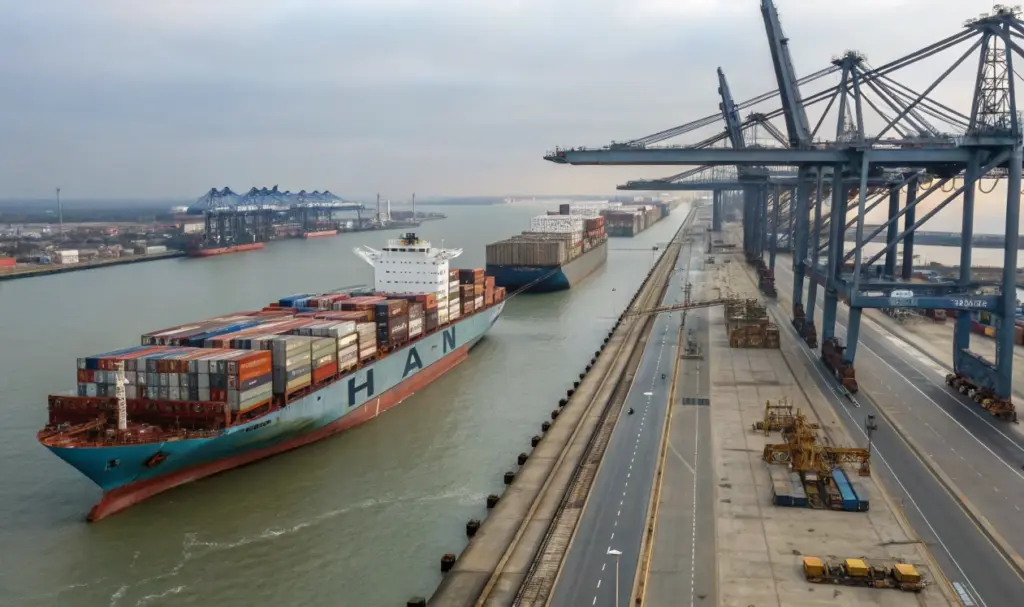
For years, port expansion was often discussed through berth depth, quay length, crane size, and annual container volume. Those metrics still matter, but they do not tell the full story. A terminal can receive a large vessel and still become a bottleneck if yard space, crane sequencing, truck gates, rail links, or customs systems cannot keep pace.
Ultra-large container vessels have changed the rhythm of port operations. One ship can discharge a huge block of containers in a short window. That creates sudden pressure on yards and inland transport. If boxes remain in the terminal too long, the next vessel arrives into a system with less available space.
This is why some ports look strong on paper but struggle during surges. The berth may be deep enough. The cranes may reach across the vessel. The problem begins after the container touches land. A port that cannot clear cargo quickly is not truly flexible, even if its marine infrastructure is modern.
Landside Bottlenecks Now Define Real Throughput
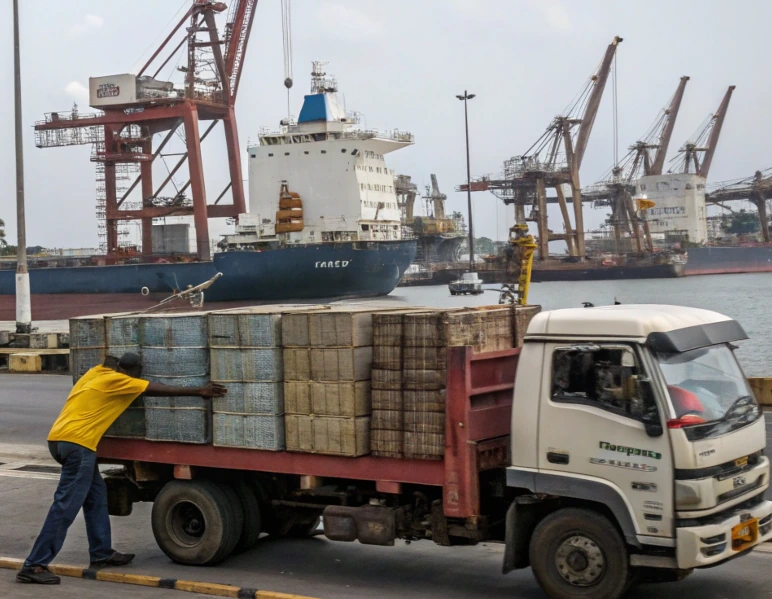
The most important limit in many port systems is no longer at sea. It is inland. Cargo has to move from the terminal to warehouses, rail yards, factories, cold storage, or distribution centers. When trucks, trains, depots, or customs release systems slow down, the port begins to fill from the inside.
This creates a chain reaction. Containers stay longer in the yard. Terminal space tightens. Vessel turnaround slows. Shipping lines adjust schedules. Importers face higher storage costs. Exporters may struggle to find empty containers at the right time. A single landside weakness becomes a regional logistics problem.
Ports with strong hinterland connections recover faster because they have more ways to distribute pressure. Rail corridors, barge links, multiple truck gates, inland depots, and digital appointment systems all act as pressure valves. Ports that depend too heavily on one road corridor or one rail connection have less room to absorb disruption.
Rerouting Is Changing the Importance of Secondary Ports
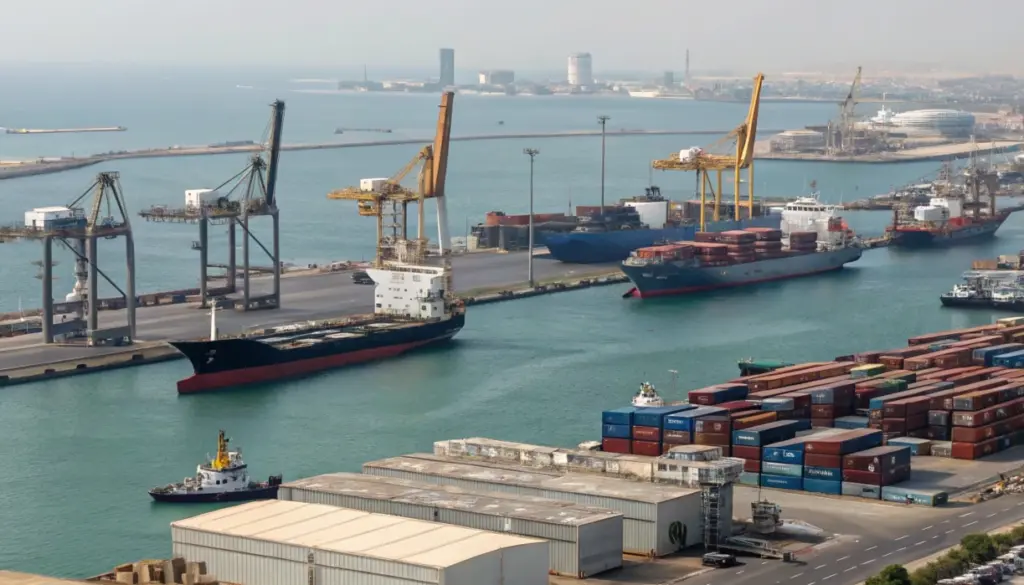
Geopolitical disruption has pushed carriers to rethink where ships call, where cargo is discharged, and which corridors are acceptable. When major routes become unstable, shipping lines look for alternatives. That gives new importance to ports that were previously seen as secondary, regional, or emergency options.
The Gulf, Red Sea, Indian Ocean, and eastern Mediterranean show how quickly port hierarchy can change. A port with stable access, available fuel, workable customs procedures, and road links can become strategically important even if it is smaller than a traditional mega hub. In crisis conditions, reliability can matter more than scale.
The trade-off is pressure. Secondary ports may receive volumes they were not built to handle. Truck traffic rises, temporary storage fills, documentation becomes more complex, and hazardous or temperature-sensitive cargo may need special handling. Rerouting solves one problem at sea but often creates another on land.
| Port System Factor | What Is Changing | Practical Impact |
| Vessel size | Larger calls create bigger cargo waves | Yard and inland systems face sharper peaks |
| Rerouting | Cargo shifts away from unstable corridors | Secondary ports gain pressure and importance |
| Inland transport | Rail and trucking decide cargo release speed | Berth capacity alone cannot prevent congestion |
| Fuel supply | Reliable bunkering becomes strategic | Ships adjust routes around energy availability |
| Regulation | More inspection and compliance layers | Security improves, but dwell time can increase |
| Automation | Technology promises efficiency but faces resistance | Gains depend on labor, policy, and integration |
This table reflects the real direction of ports news. The story is not one single crisis. It is the interaction between infrastructure, routing, labor, regulation, and cargo behavior.
Container Imbalance Remains a Persistent Weakness
Empty containers are one of the least visible but most damaging problems in port logistics. A port can have vessels, cranes, and cargo demand but still struggle if empty equipment is in the wrong place. Trade flows are uneven, and disruptions make the imbalance worse.
When import-heavy ports receive more loaded containers than they export, empty boxes accumulate. When exporters need containers but equipment is stuck elsewhere, cargo waits. Shipping lines then have to reposition empties, which uses vessel space, terminal capacity, and time without directly moving paying cargo.
Some ports try to manage this with fees or penalties, but the results are uneven. A penalty only works when it reaches the party that can change the behavior. If the cost is passed through the chain, it becomes another expense rather than a correction mechanism. The real solution requires better forecasting, faster evacuation, and stronger coordination between terminals, carriers, depots, and inland operators.
Automation Is Useful, but Not Simple
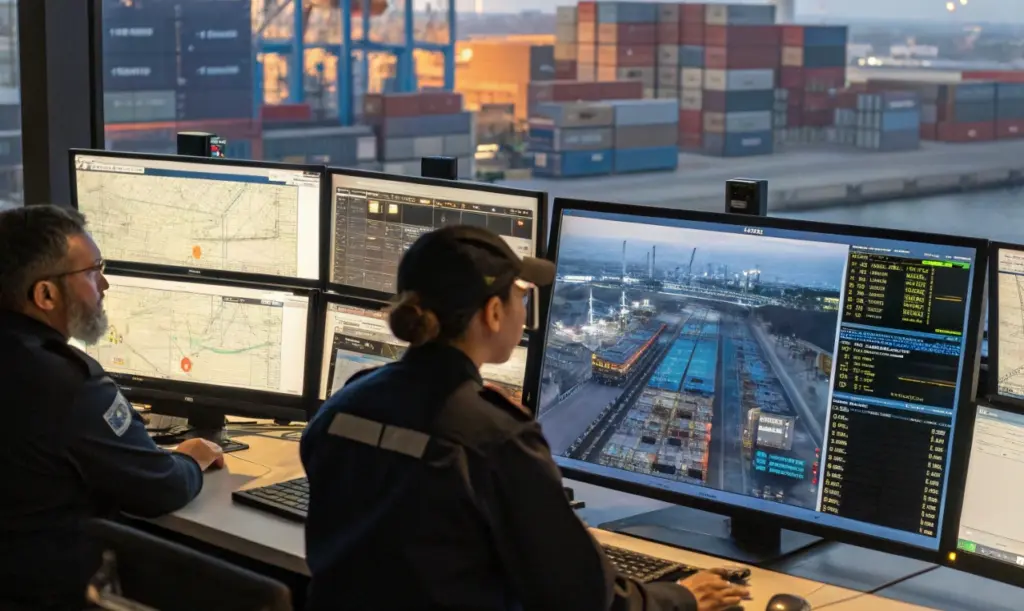
Port automation is often presented as the direct answer to congestion. Automated cranes, guided vehicles, gate systems, and planning software can improve consistency and reduce some labor-related variability. In a controlled terminal, automation can make operations more predictable.
The problem is that ports are not clean laboratory environments. They are political, social, industrial, and logistical systems. Automation changes job structures, training needs, maintenance demands, and labor agreements. In ports where unions are powerful, any technology that changes staffing levels can create resistance.
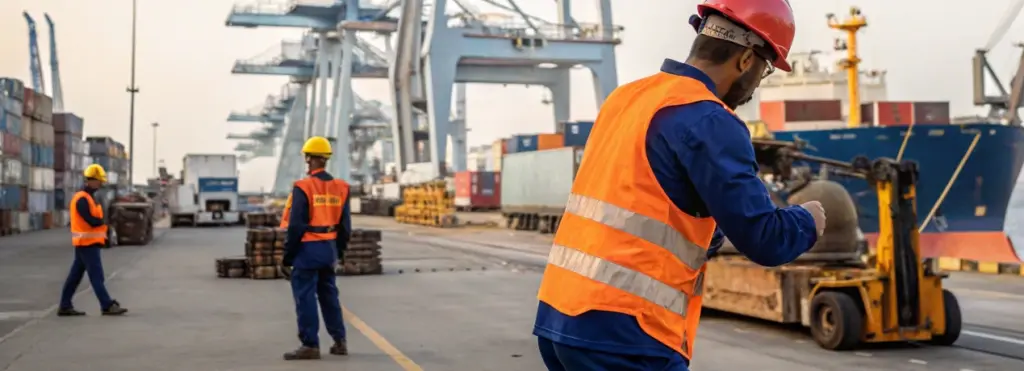
There is also a transition risk. A terminal moving from manual to automated or semi-automated operation may face temporary productivity loss while systems are tested and workers are retrained. Technology helps only when it is integrated with vessel planning, yard management, gate flow, rail operations, and maintenance capacity. A robotized section inside a poorly connected port does not solve the wider bottleneck.
Fuel, Energy, and Decarbonization Are Becoming Port Issues
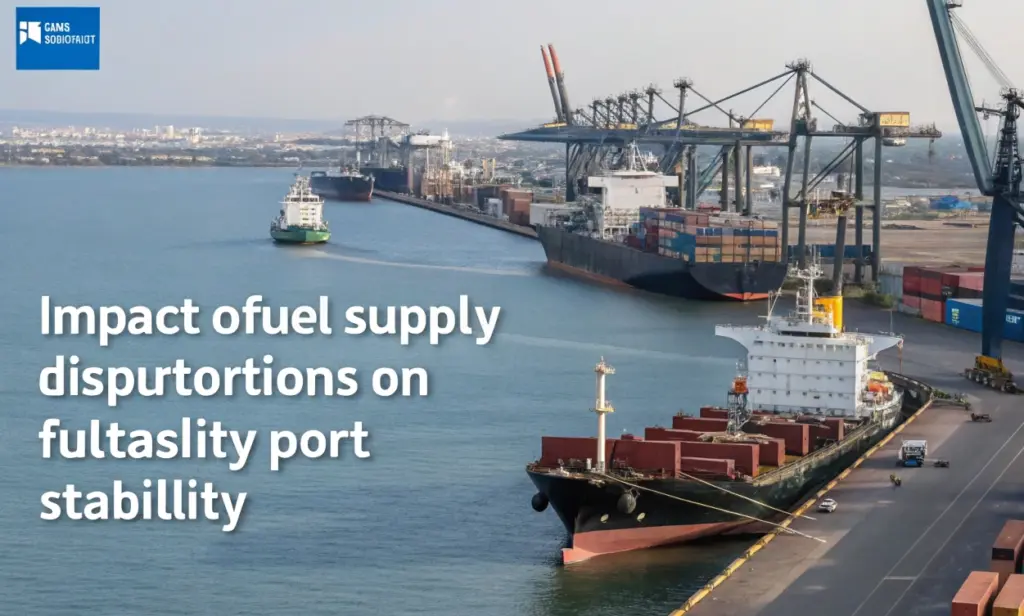
Ports are becoming energy platforms, not just cargo platforms. Ships need bunker fuel, shore power, alternative fuel infrastructure, emissions monitoring, and safe handling systems for new energy types. This changes investment priorities and operational planning.
Reliable fuel supply can alter routing decisions. A port with dependable bunkering may become more attractive during disruption, even if it is not the fastest cargo gateway. When fuel availability tightens, ships concentrate around the hubs that can still supply them. That increases port traffic and can add congestion around already important nodes.
Decarbonization adds another layer. Shore power, LNG, methanol, ammonia planning, and green corridor projects require expensive infrastructure and strict safety procedures. These systems can reduce emissions, but they also introduce new operational constraints. Ports have to balance environmental goals with vessel turnaround, energy availability, training, and cost recovery.
Regulation and Inspection Can Slow the System
Customs, security, sanctions screening, hazardous cargo rules, and environmental compliance now have a stronger influence on port performance. More inspection can reduce risk, but it also increases dwell time if inspection capacity does not grow with cargo volume.
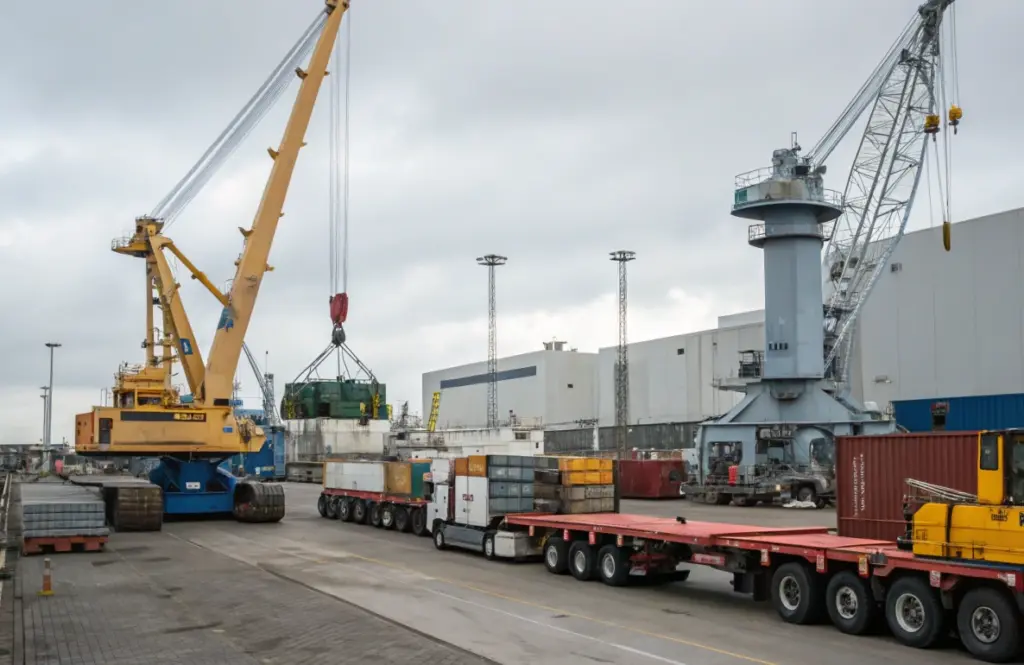
This matters most during rerouting. Cargo originally planned for one port may arrive at another with different procedures, documents, storage rules, or inspection capacity. The physical port may have space to receive the container, but the compliance system may not be ready to clear it quickly.
Regulation becomes a throughput factor when paperwork, scanning, controlled cargo handling, and customs staffing cannot scale. A port can lose speed without any crane failure or berth shortage. The delay begins in the administrative layer and then spreads into the yard.
Labor and Weather Still Create Cascading Effects
Even with advanced systems, ports remain exposed to labor availability and weather. Storms, fog, heat, strikes, staffing shortages, and safety stoppages can still reduce output quickly. The difference in 2026 is that the system has less spare room. A smaller disruption can produce a larger effect because recovery windows are tighter.
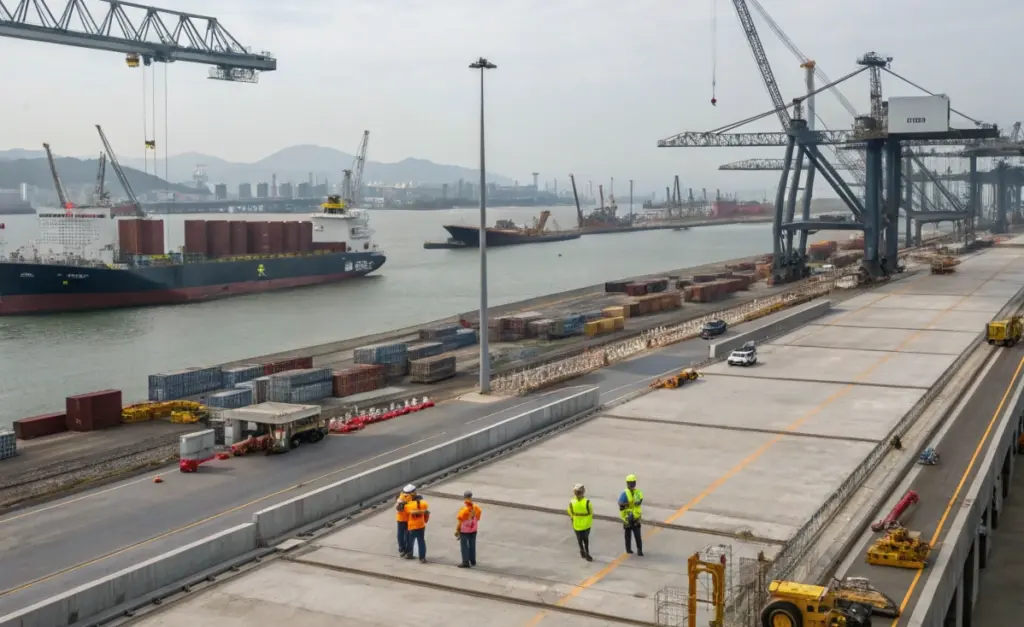
Weather affects pilotage, crane operations, yard safety, and inland transport. Labor issues affect vessel handling, gate operations, maintenance, and rail loading. When one of these slows, the port may need days or weeks to restore schedule discipline, especially if vessels continue arriving during the disruption.
Modern logistics is built for efficiency, but high efficiency often means limited buffer. That is why ports with stable labor relations, flexible staffing models, reliable inland links, and strong recovery planning have an advantage. They do not avoid every disruption. They recover with less damage.
What Ports News Signals for Global Trade
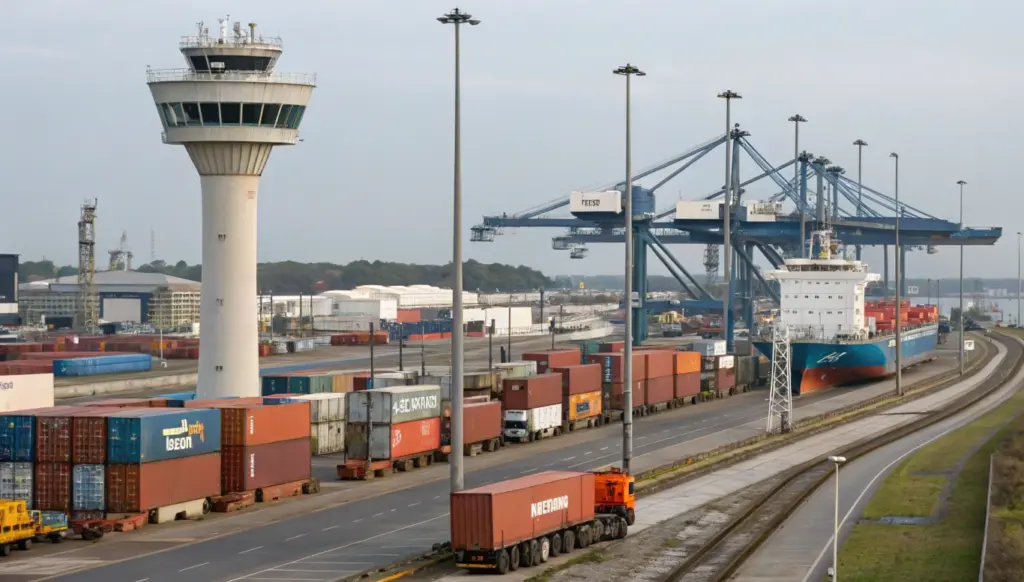
The direction of ports news is clear: global port systems are becoming more specialized, more data-dependent, more exposed to geopolitical shocks, and more constrained by land-side logistics. The old question was whether a port had enough physical capacity. The better question now is whether the whole system can keep moving when one part comes under pressure.
For shippers and carriers, the practical lesson is to evaluate ports by resilience, not only by cost or distance. A cheaper route can become expensive if cargo gets trapped in a congested yard. A smaller port can be valuable if it clears cargo reliably. A mega hub can still become vulnerable if inland links, fuel supply, or labor stability weaken.
Ports are not passive infrastructure anymore. They are active control points in global trade. The strongest ones will be those that combine marine capacity with inland flexibility, clean data, stable labor, reliable energy, and realistic contingency planning. In a tighter shipping environment, the port that moves cargo predictably is often more valuable than the port that simply handles the largest headline volume.