
Red Sea shipping attacks news today cannot be understood only by looking at missile threats, naval warnings, or one isolated hijacking report. The current maritime risk picture is wider. Piracy off Somalia has returned as an active operational concern while regional shipping routes are already under pressure from conflict, diversions, naval activity, and reduced flexibility around key corridors.
For ship operators, crews, insurers, and maritime security teams, the main question is practical: how does a piracy threat become real at sea, which vessels are most exposed, and what can be done before an approach turns into a boarding? The answer depends on route planning, vessel speed, detection time, crew drills, and the ability to react before attackers close the distance.
Why Somali Piracy Matters in the Red Sea Shipping Risk Picture
The recent piracy activity off Somalia matters because it sits near the wider Red Sea, Gulf of Aden, and western Indian Ocean traffic system. A vessel moving between Europe, Asia, the Arabian Sea, and East Africa does not operate inside a clean map of separate risks. Route changes in one corridor can push more ships into another, and predictable traffic patterns make targeting easier.
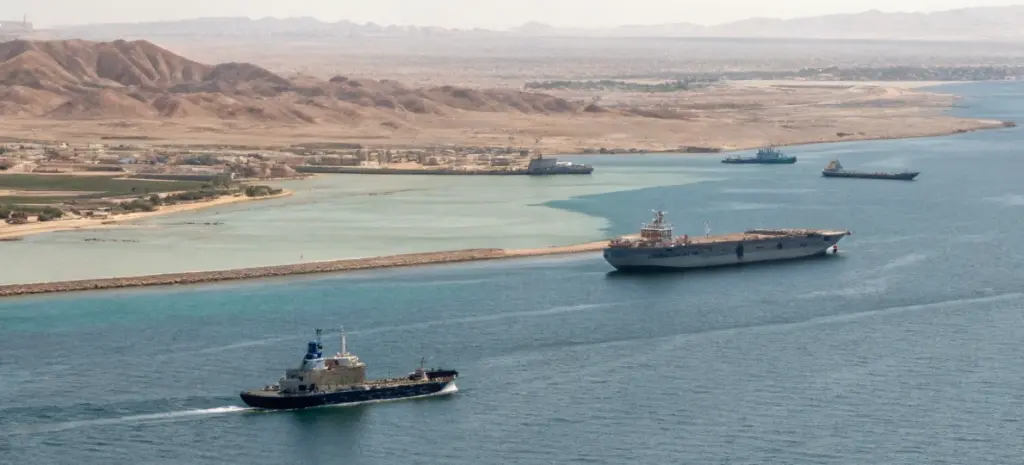
Somali piracy had been treated by many operators as a reduced threat compared with the peak years of 2008–2011. That assumption is now weaker. Recent hijackings show that organized groups can still identify vulnerable vessels, launch from coastal areas, board quickly, and move captured ships toward zones where intervention becomes harder. This does not mean the region has returned to the full scale of the old piracy crisis, but it does mean the threat model is active again.
The practical danger is that piracy grows when three conditions overlap: available targets, limited patrol coverage, and a working ransom or leverage model. When commercial vessels are delayed, diverted, or forced through narrower operating windows, pirates do not need to control the whole sea. They only need enough opportunity to attack the wrong vessel at the wrong time.
What the Recent Hijackings Show About the Threat
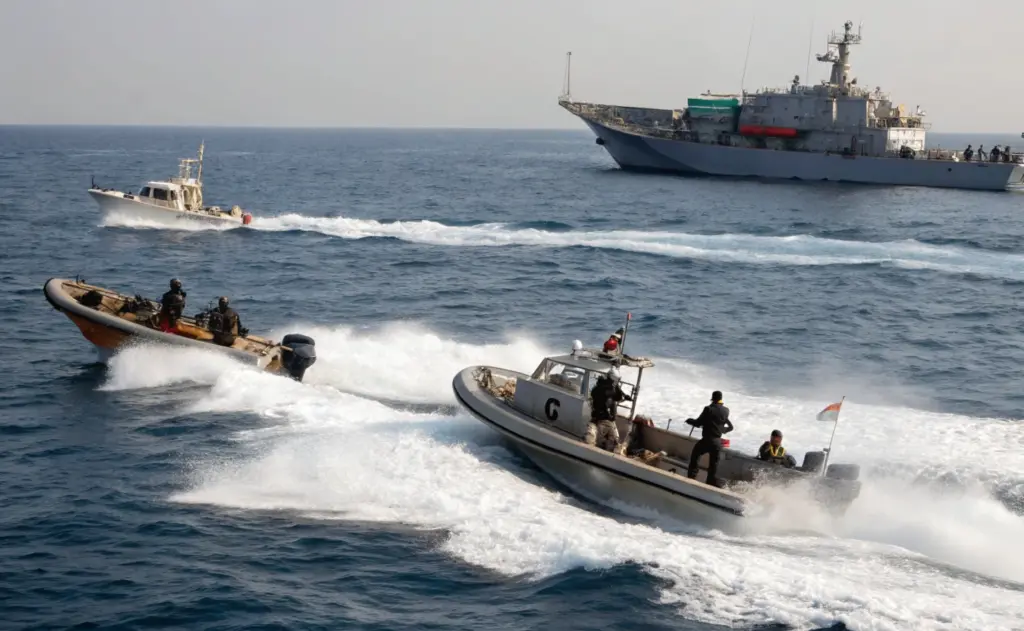
Recent incidents involving vessels such as the tanker Honour 25 and the cargo ship Sward show a familiar pattern. Armed groups approached, gained control, and directed vessels toward Somali waters. The details of each case differ, but the operational logic is consistent: choose a ship within reach, board before the crew can fully harden the vessel, and move it toward a position where the attackers have more control.
The timing of multiple incidents in a short period is significant. Piracy often follows opportunity cycles. One successful seizure can encourage copycat action or activate other groups that were waiting for a signal that conditions are favorable. That is why maritime warnings usually focus not only on the single event, but on the pattern around it.
From a security perspective, the main concern is not that every vessel faces the same risk. The concern is that pirates can filter targets. A slow-moving ship, a low freeboard, limited watchkeeping, or weak physical barriers can make one vessel much more attractive than another passing through the same wider area.
How a Pirate Action Group Usually Works
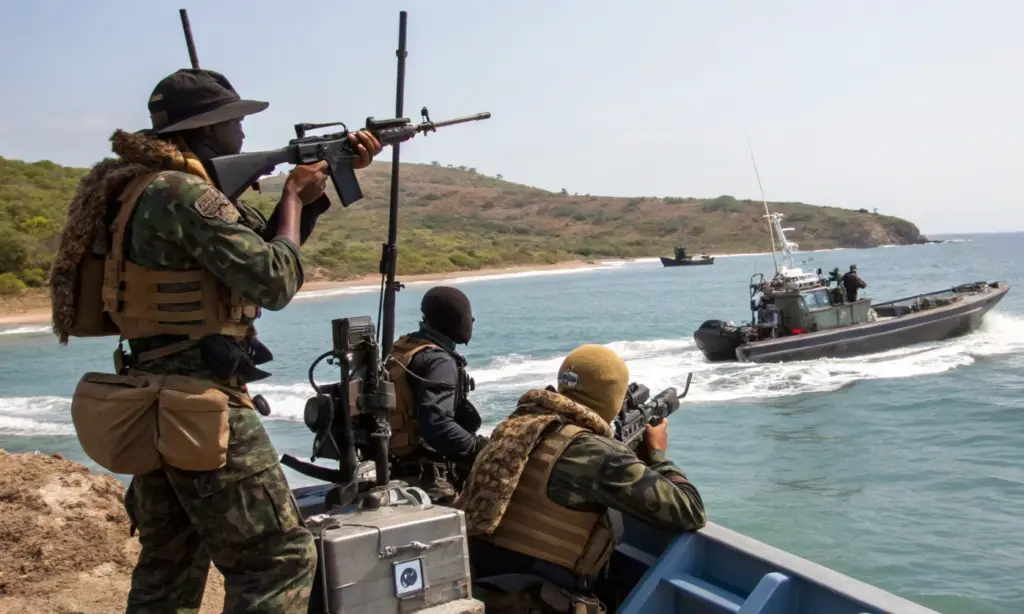
A pirate attack at sea may look chaotic from the outside, but the structure behind it is often organized. Pirate Action Groups, commonly called PAGs, can include reconnaissance, boarding teams, coastal support, and holding elements. Their strength comes from coordination, local knowledge, and the ability to move fast in small craft.
A typical group does not need heavy weapons to create control. Small arms, intimidation, speed, and surprise are often enough. The aim is not to sink the ship. The aim is to force compliance, get people on deck under pressure, reach the bridge or control points, and redirect the vessel before a response arrives.
A simple structure may include:
| Element | Typical Role | Operational Effect |
| Reconnaissance | Watches vessel movement and identifies targets | Helps select slower or isolated ships |
| Skiff team | Approaches and attempts boarding | Compresses crew reaction time |
| Armed boarders | Establishes control on deck or bridge | Forces compliance through intimidation |
| Coastal support | Provides staging, supplies, or holding area | Extends the duration of the seizure |
| Negotiation network | Manages ransom or leverage pressure | Turns hijacking into economic gain |
This structure explains why piracy cannot be treated as random crime at sea. Even when a group is opportunistic, it still needs fuel, boats, weapons, communications, and a plan for what happens after the boarding.
Vessel Vulnerability: Why Some Ships Are Easier Targets
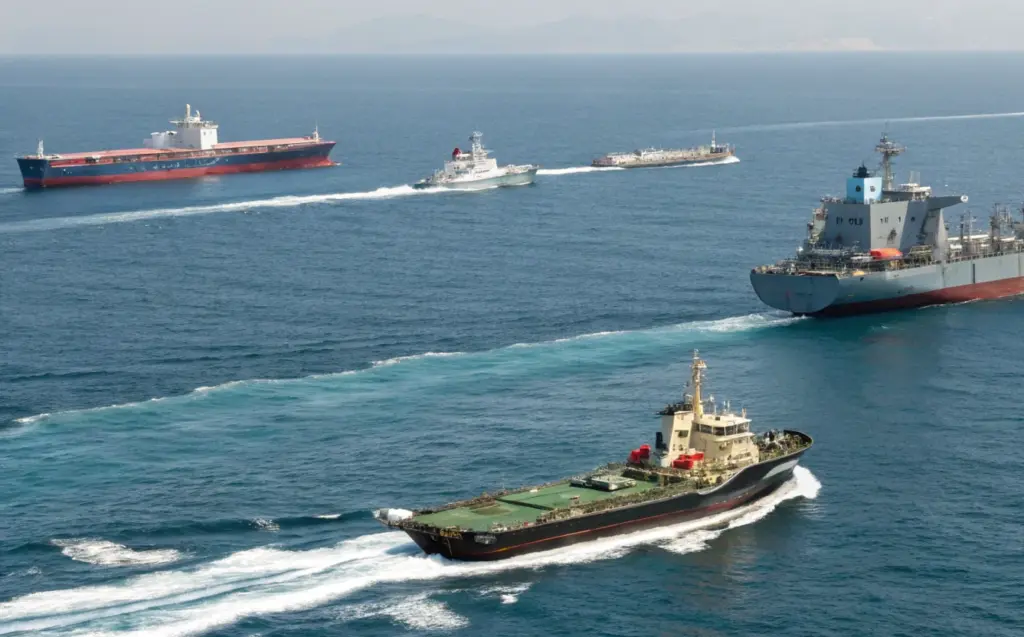
Not all commercial vessels face the same piracy risk. A large ship can still be vulnerable if it is slow, heavily loaded, poorly protected, or operating with reduced watch discipline. In open water, speed and freeboard are two of the most important defensive factors. A vessel that can maintain higher speed and has a high deck edge is harder to board than a slower ship sitting low in the water.
Tankers, older cargo vessels, fishing vessels, and small general cargo ships can be exposed for different reasons. A tanker may be slow when loaded. A smaller cargo vessel may have limited crew and fewer physical barriers. A fishing vessel may lack strong communication systems. These weaknesses matter because pirates usually look for the easiest successful boarding, not the most valuable ship in theory.
High-risk characteristics include low freeboard, reduced speed, predictable routing, poor lighting, weak radar monitoring, minimal barriers, and slow crew reaction. One weakness may not be decisive, but several together can create a target profile. A ship moving at 11 knots with low deck height and limited visible security is a very different target from a faster vessel with active watches, razor wire, water hoses, and drilled crew procedures.
The Critical Minutes Between Detection and Boarding
The most important phase of a piracy incident is often the short window before boarding. Once armed attackers are already alongside, the crew’s choices narrow quickly. That is why early detection is more valuable than any single defensive tool.
A fast skiff traveling at high speed can close several nautical miles in minutes. If radar or visual watch identifies the approach early, the crew may have time to increase speed, alter course, activate alarms, prepare water hoses, secure access points, and move non-essential crew to protected areas. If detection happens late, the same measures may become rushed and incomplete.
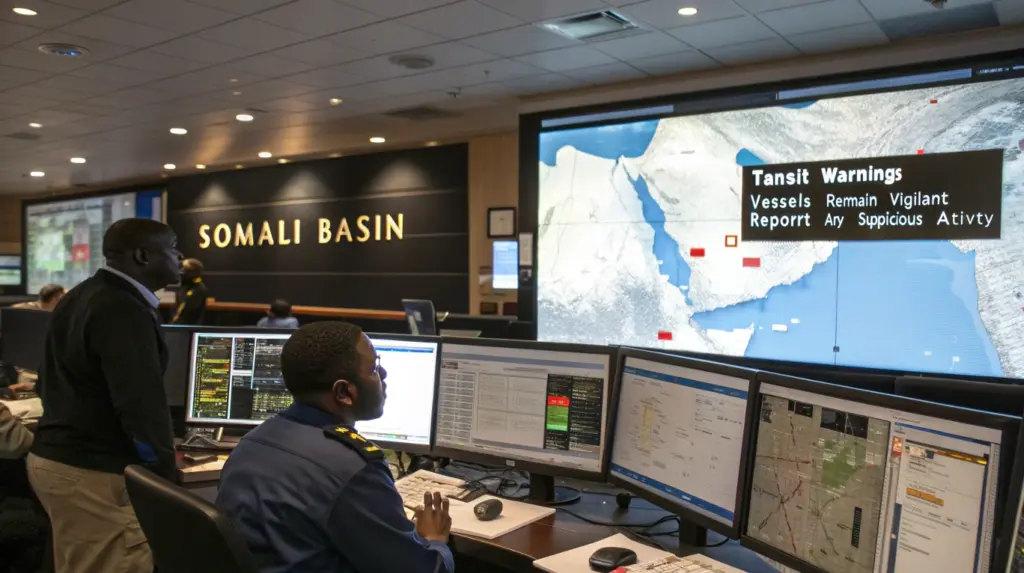
This is where waterborne experience matters. Sea state, glare, darkness, rain, and clutter can hide small craft. A skiff that is obvious on a calm afternoon may be difficult to confirm at night or near coastal traffic. Crew members must avoid both extremes: ignoring a suspicious approach until it is too late, or overreacting without following protocol. The strongest response is disciplined, rehearsed, and fast.
Crew Protection and Real-World Limits
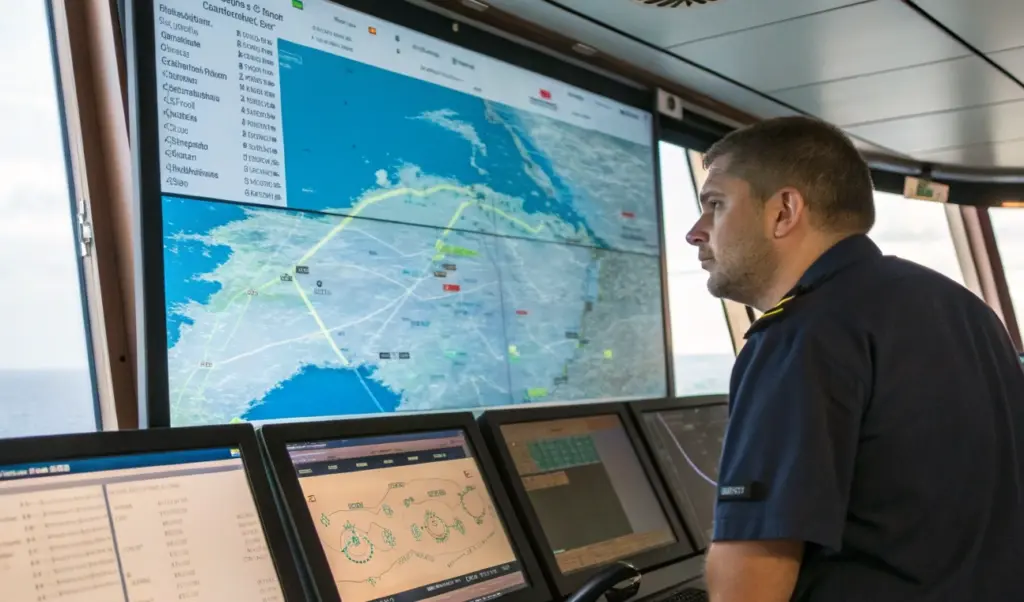
Crew safety is the central issue in any hijacking. Commercial crews are not military boarding teams, and resistance can escalate danger. The best defensive plan is designed to delay boarding, protect people, preserve communication, and create time for external support.
Common measures include physical barriers along vulnerable access points, high-pressure water hoses, locked internal routes, emergency communication procedures, and a citadel where crew can shelter if the vessel design supports it. These systems are useful only when maintained and practiced. A citadel without communication, a hose system that cannot be activated quickly, or a crew that has never drilled the sequence can give a false sense of security.
The practical sequence should be clear before entering a high-risk area:
- Confirm the vessel’s watch schedule and radar monitoring duties.
- Review suspicious approach criteria with bridge and deck teams.
- Prepare barriers, lighting, alarms, and communication channels.
- Assign crew movement routes and safe-area responsibilities.
- Test emergency contact procedures before the risk zone.
This order matters because a piracy approach does not leave time for debate. The crew should already know who calls, who secures access, who moves below, and who remains on the bridge.
Routing Pressure and Why Predictability Increases Risk
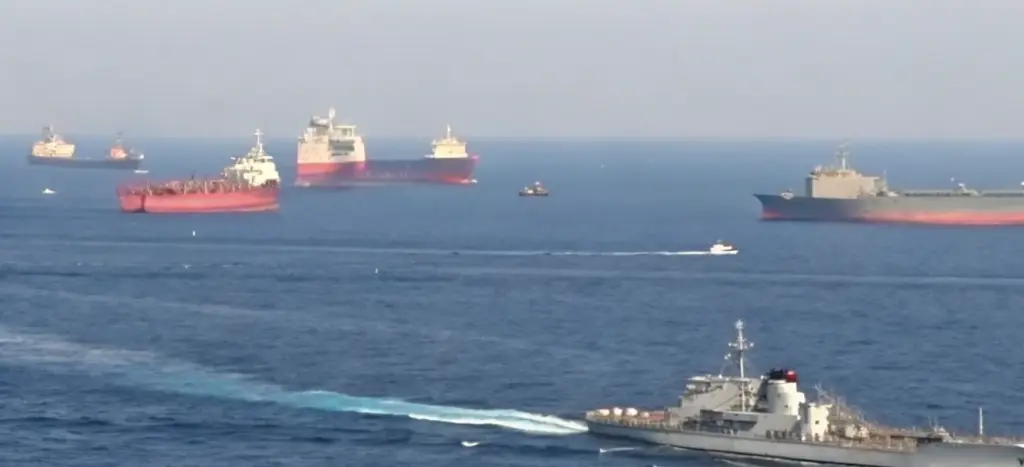
Maritime security deteriorates when ships lose routing flexibility. If conflict, warnings, blockades, or insurance pressure push vessels away from one corridor, traffic can concentrate elsewhere. That concentration creates patterns. Pirates benefit from patterns because they reduce the need for wide-area searching.
The Red Sea, Bab el-Mandeb, Gulf of Aden, Somali Basin, Arabian Sea, and Strait of Hormuz are connected through commercial behavior. A disruption in one place affects voyage planning across the region. Operators may slow down to save fuel after a diversion, wait offshore for instructions, or follow similar safer-looking lanes. Each decision can make sense commercially, but the combined effect can increase exposure.
This is the trade-off shipping companies must manage. A shorter route may increase threat exposure. A longer route may raise fuel cost, delay delivery, and increase crew fatigue. Armed guards, naval reporting, insurance premiums, and port schedules all become part of the same calculation. Good planning does not remove risk; it chooses which risks are acceptable and which must be reduced before transit.
Maritime Security Warnings and What Operators Should Do With Them
Threat levels such as substantial or severe are not symbolic labels. They tell operators that recent incidents, intelligence, capability, and intent have changed the operating environment. The correct response is not panic. The correct response is to convert the warning into specific vessel actions.
A strong security response should include updated route assessment, reporting to maritime authorities, crew briefings, equipment checks, and review of emergency procedures. Operators should also evaluate whether the vessel’s profile matches the most vulnerable categories: slow speed, low freeboard, limited protection, or reduced communication capability.
The mistake is treating a warning as background information. A warning should change behavior. That may mean increasing watchkeeping, avoiding unnecessary loitering, maintaining maximum sustainable speed in exposed zones, or adjusting transit timing to improve visibility and response options. For smaller operators, the key is not to copy every measure used by large fleets, but to apply the highest-impact actions realistically.
What This Means for Shipping, Insurance, and Supply Chains
Piracy risk does not end with the hijacked vessel. It affects insurance, freight pricing, port schedules, charter decisions, and crew welfare. When underwriters see active hijackings and a higher threat level, premiums can rise. When operators reroute, fuel costs increase. When vessels wait for security clearance or convoy support, schedules become less reliable.
These costs move through the supply chain. Cargo owners may face delays, ports may see uneven arrivals, and shipping companies may need to renegotiate voyage expectations. The effect is strongest when piracy overlaps with other regional disruptions. A single hijacking may be manageable. A series of incidents during a broader maritime crisis creates compounding pressure.
For crews, the impact is more direct. Longer voyages, uncertain routing, and elevated threat watches increase fatigue. Fatigue weakens detection, and weak detection increases vulnerability. That loop is often underestimated. Maritime security is not only equipment and naval presence; it is also the human ability to stay alert under stress.
Practical Reading of the Current Risk
The current pattern shows that Somali piracy is no longer a dormant background risk. It is an active threat that can exploit route pressure, vessel predictability, and uneven defensive readiness. Red Sea shipping attacks news today should therefore be read as part of a wider maritime security system, not as a single corridor problem.
The practical response is clear: operators should reassess routes before transit, match defensive measures to the vessel’s actual weaknesses, drill crew procedures, maintain early detection discipline, and avoid predictable behavior where possible. The safest vessel is rarely the one with only the most equipment. It is the one whose crew can detect, decide, and act before a fast approach becomes a boarding.